| 1 |
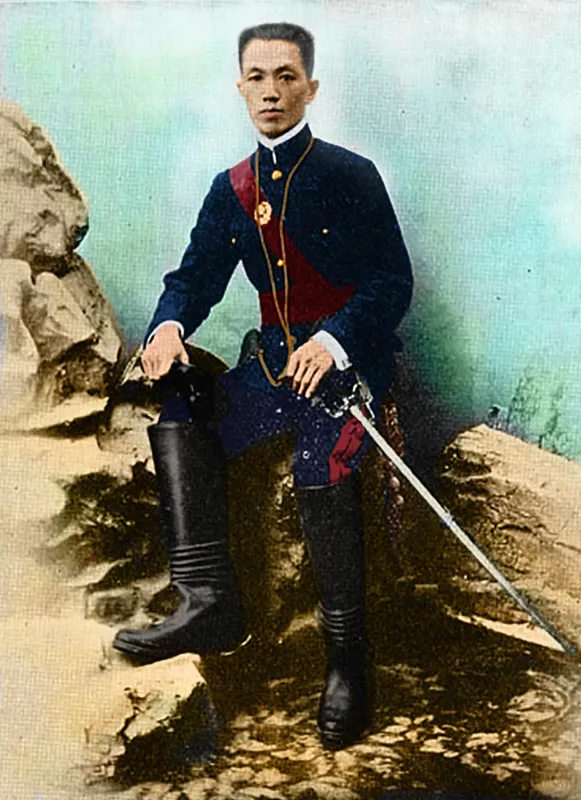
Emilio Aguinaldo
|
1899 to 1901 |
None (First Philippine Republic) |
Led the Philippine Declaration of Independence in 1898 and established the First Philippine Republic, the first constitutional republic in Asia. Captured by American forces in 1901, ending the First Republic. |
| 2 |
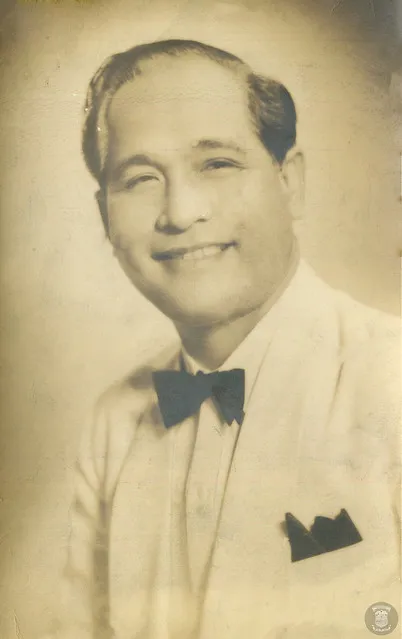
Manuel L. Quezon
|
1935 to 1944 |
Nacionalista |
First president of the Commonwealth era. Advanced Filipino as the basis for a national language and pursued social justice legislation, including tenancy reform and a minimum wage law. |
| 3 |
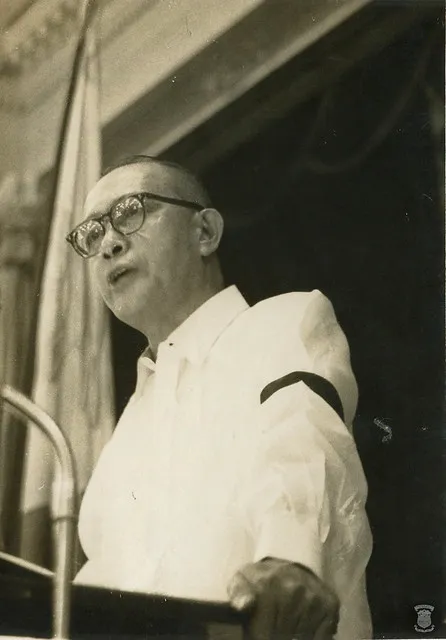
José P. Laurel
|
1943 to 1945 |
KALIBAPI (Japanese-sponsored Republic) |
Maintained civil administration during the Japanese occupation. A respected jurist before his presidency, later elected to the Senate. |
| 4 |
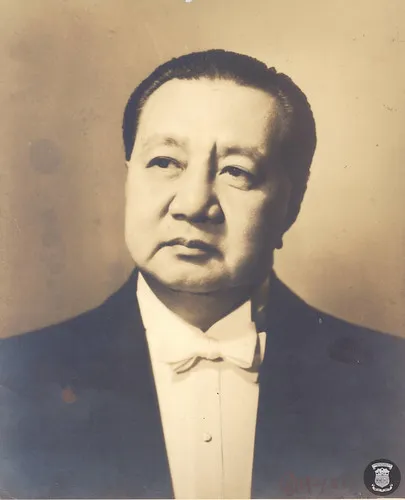
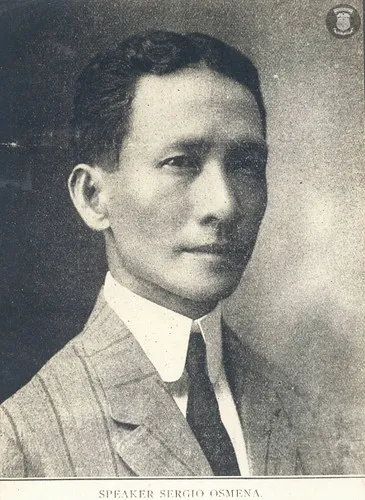
Sergio Osmeña
|
1944 to 1946 |
Nacionalista |
Led the restoration of civil government and democratic institutions following liberation from Japanese occupation in World War II. |
| 5 |
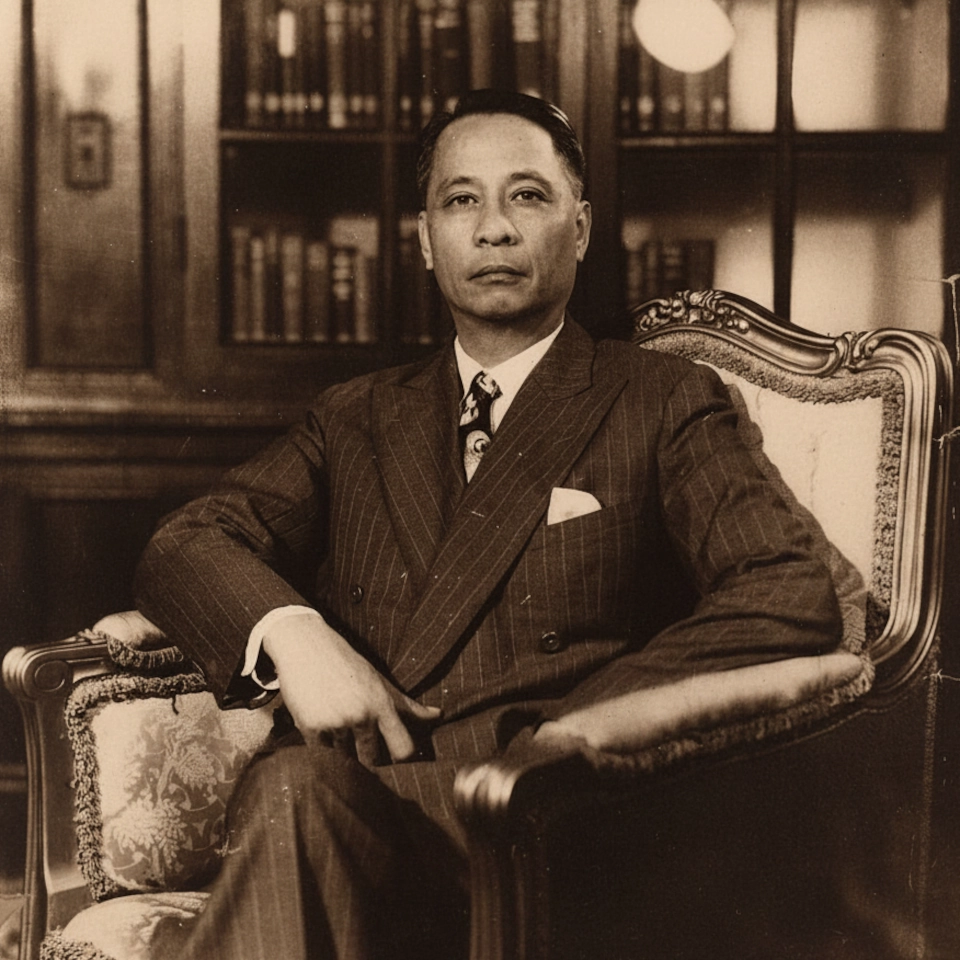
Manuel Roxas
|
1946 to 1948 |
Liberal |
First president of the independent Third Republic, inaugurated on July 4, 1946. Oversaw early post-war reconstruction and the transition to full sovereignty. |
| 6 |
Elpidio Quirino
|
1948 to 1953 |
Liberal |
Led early post-war economic recovery efforts and negotiated foreign aid agreements while confronting the Hukbalahap rebellion. |
| 7 |
Ramon Magsaysay
|
1953 to 1957 |
Nacionalista |
Widely credited with ending the Hukbalahap rebellion through a combined military and land resettlement strategy. Remembered as one of the most popular Philippine presidents for his anti-corruption reforms and accessibility to ordinary citizens. |
| 8 |
Carlos P. Garcia
|
1957 to 1961 |
Nacionalista |
Introduced the Filipino First Policy, promoting Filipino-owned businesses and economic nationalism, alongside austerity and anti-graft measures. |
| 9 |
Diosdado Macapagal
|
1961 to 1965 |
Liberal |
Enacted the Agricultural Land Reform Code of 1963 and moved the official observance of Independence Day to June 12, commemorating Aguinaldo's 1898 declaration. |
| 10 |
Ferdinand E. Marcos Sr.
|
1965 to 1986 |
Nacionalista, later KBL |
Oversaw major infrastructure expansion and the Masagana 99 rice self-sufficiency program in his early terms. Declared martial law in 1972 and was removed from office by the 1986 People Power Revolution amid allegations of human rights abuses and economic mismanagement. |
| 11 |
Corazon Aquino
|
1986 to 1992 |
PDP-Laban / independent |
First woman president in the Philippines and in Asia. Restored democratic institutions and ratified the 1987 Constitution, while surviving several coup attempts during her term. |
| 12 |
Fidel V. Ramos
|
1992 to 1998 |
Lakas-NUCD |
Led significant economic liberalization and infrastructure reform, signed the 1996 peace agreement with the Moro National Liberation Front, and hosted the APEC Leaders' Summit in 1996. |
| 13 |
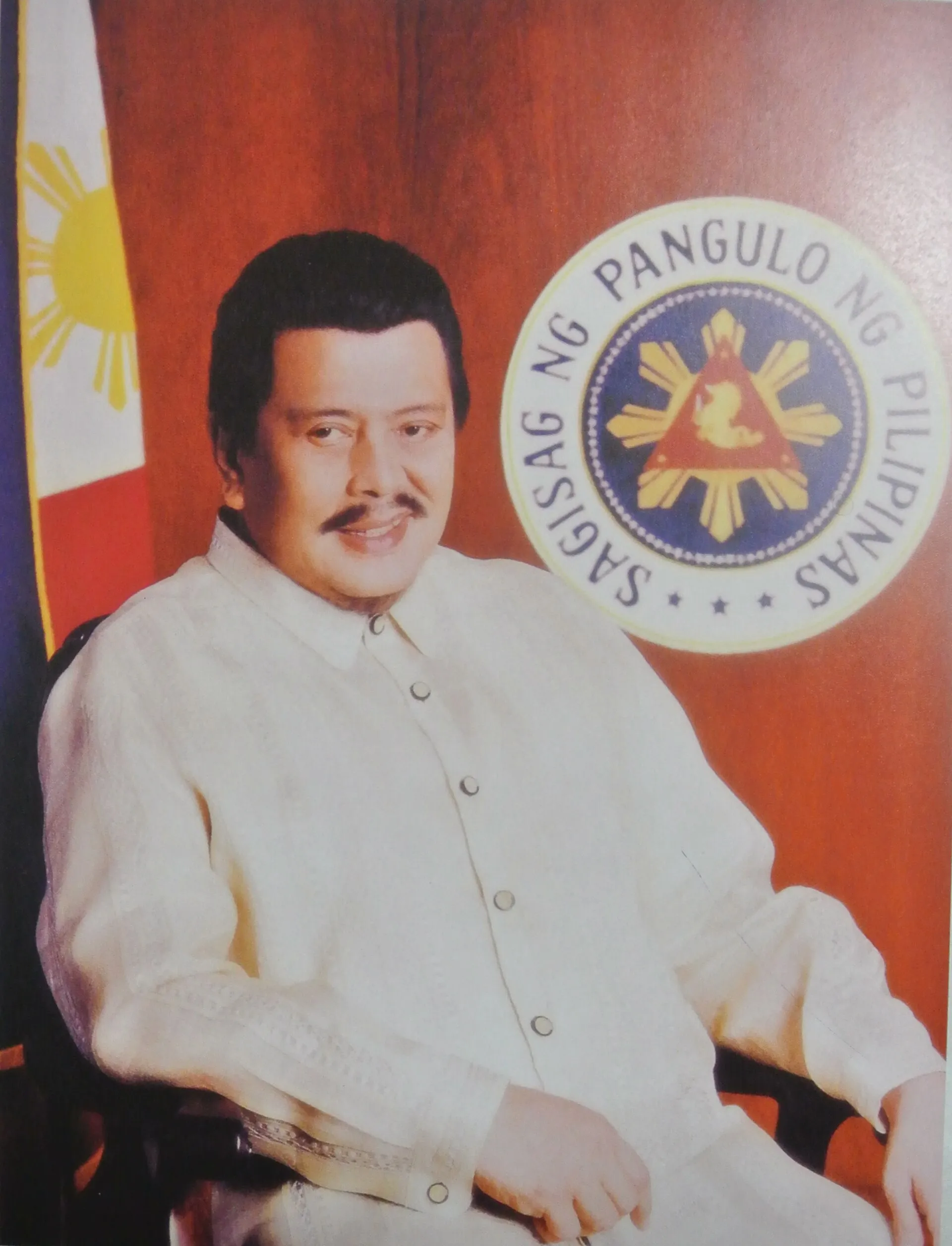
Joseph Estrada
|
1998 to 2001 |
LAMMP |
Launched the Lingap Para sa Mahirap anti-poverty program. Removed from office in 2001 following impeachment proceedings and the EDSA II uprising over corruption allegations. |
| 14 |
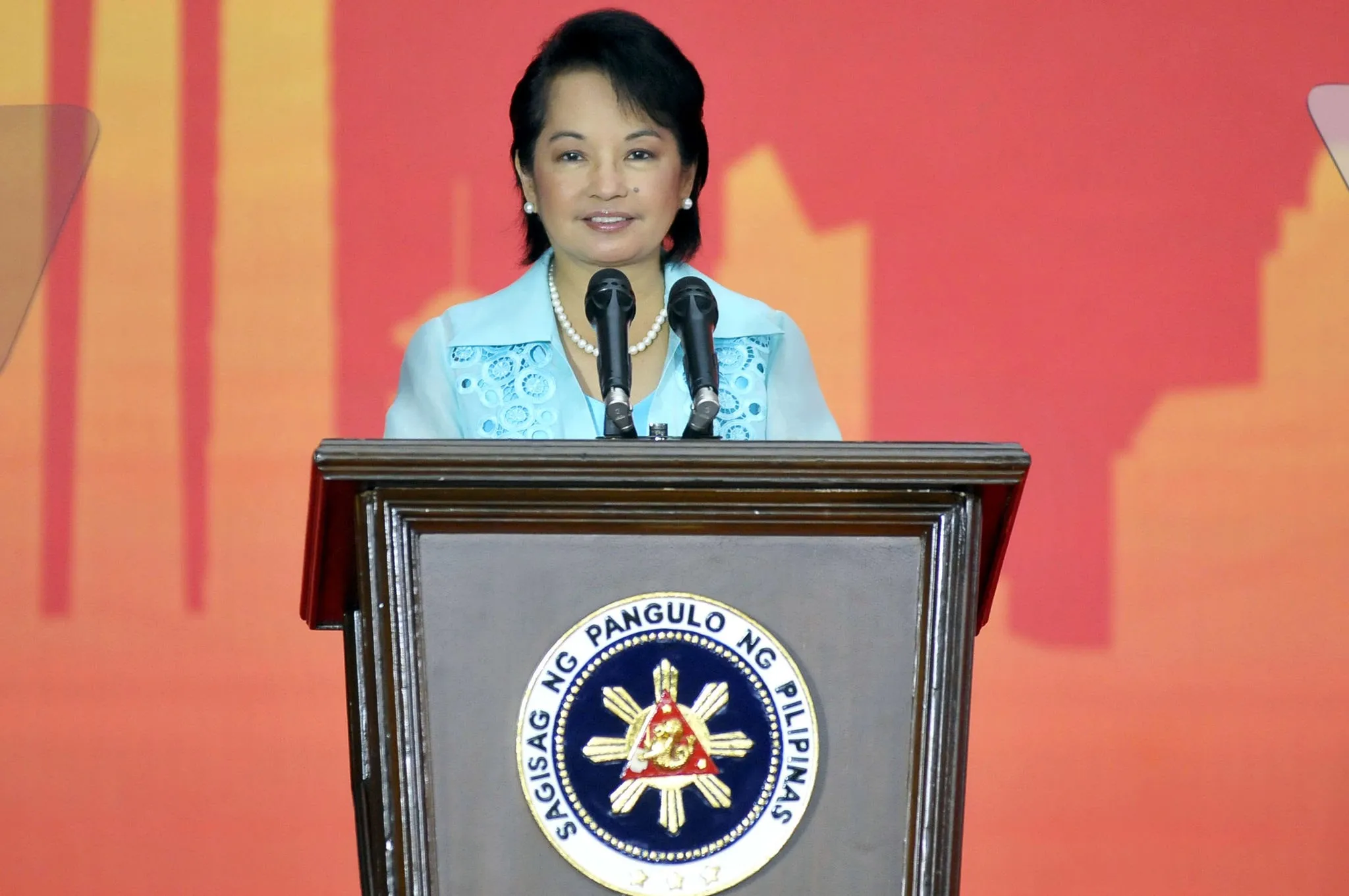
Gloria Macapagal Arroyo
|
2001 to 2010 |
Lakas-CMD |
The longest-serving president after Marcos Sr. Implemented macroeconomic reforms including expanded VAT legislation, while her term was also marked by corruption and legitimacy controversies. |
| 15 |
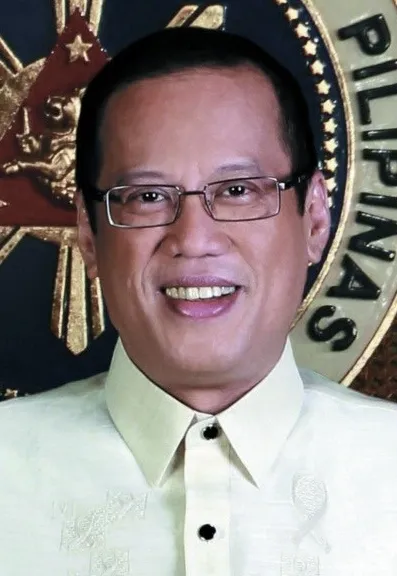
Benigno Aquino III
|
2010 to 2016 |
Liberal |
Ran on the Daang Matuwid, or Straight Path, anti-corruption platform. The Philippines received its first investment-grade credit ratings during his term. |
| 16 |
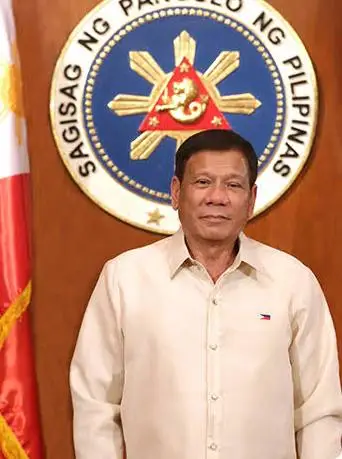
Rodrigo Duterte
|
2016 to 2022 |
PDP-Laban |
Launched the Build, Build, Build infrastructure program. His anti-drug campaign drew significant domestic support alongside international human rights criticism. |
| 17 |
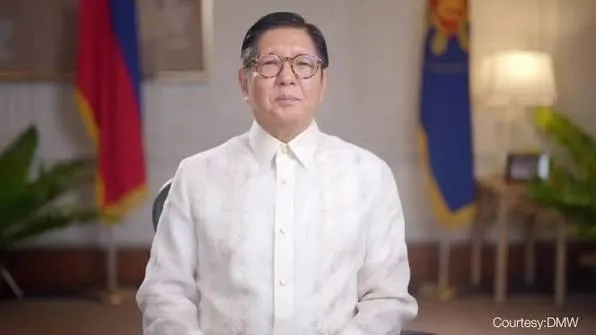
Ferdinand "Bongbong" Marcos Jr.
Current
|
2022 to present |
PFP |
Continued large-scale infrastructure investment and pursued a more assertive stance on West Philippine Sea territorial disputes. |

 Current