
About Luzon
Luzon is the largest island group in the Philippine archipelago and the country's main political, economic, and population center. It includes eight administrative regions extending from Ilocos Norte in the northwest to Bicol in the southeast, along with the island provinces and territories administered within these regions.
The island group covers a wide range of landscapes, including the Cordillera mountains, Central Luzon's agricultural plains, the Sierra Madre, volcanic landscapes in Southern Luzon and Bicol, and the island destinations of MIMAROPA.
Luzon is home to Metro Manila, the country's national capital region and largest urban center. It also contains some of the Philippines' best-known cultural and natural attractions, including Vigan, the Banaue Rice Terraces, Mayon Volcano, the Puerto Princesa Subterranean River, El Nido, Coron, and the beaches of La Union, Batangas, Zambales, and other coastal provinces.
Beyond travel, Azifind also lists businesses across Luzon's regions, including restaurants, hotels, healthcare providers, financial services, retail businesses, transportation services, attractions, and other local service providers.
Geographic Facts
Total Land Area
Mt. Pulag (Highest Peak)
Cagayan River (Longest)
Provinces
Major Islands
Luzon mainland
Largest island in the Philippines, containing NCR, Cordillera, Central Luzon, and Bicol.
Palawan
Island province in MIMAROPA, home to El Nido, Coron, and the Puerto Princesa Underground River.
Mindoro
Divided into Occidental and Oriental Mindoro, known for diving and the Tamaraw wildlife sanctuary.
Masbate
Island province in Bicol, known as the cattle ranching capital of the Philippines.
Catanduanes
Island province off the eastern coast of Bicol, known for surfing and Pacific-facing beaches.
Bordering Waters
Luzon Strait (Bashi Channel)
Separates Luzon from Taiwan
Philippine Sea
Pacific-facing, typhoon corridor
San Bernardino Strait
Separates Luzon from Samar
Sibuyan Sea
Between Luzon, Visayas, and MIMAROPA
Sulu Sea
Between Palawan and Mindanao
South China Sea
Runs along the entire western coast
Balabac Strait
Between southern Palawan and Borneo
Luzon Regions
All 8 administrative regions, each linking to a complete provincial and city-level directory with attractions, festivals, restaurants, and local food.
Ilocos Region
Region I
The northwestern coastal strip of Luzon, home to Vigan, one of the few surviving...
Cagayan Valley
Region II
The largest region in Luzon by land area, flanked by the Cordillera and Sierra M...
Central Luzon
Region III
Known as the Rice Granary of the Philippines. Encompasses the historic battlegro...
CALABARZON
Region IV-A
The most densely populated region outside Metro Manila, serving as the primary i...
MIMAROPA
Region IV-B
An island region off the southwestern coast of Luzon encompassing five distinct...
Bicol Region
Region V
Defined by the iconic cone of Mayon Volcano in Albay, whale shark encounters in...
National Capital Region
NCR
The political, economic, and cultural capital of the Philippines, comprising 16...
Cordillera Administrative Region
CAR
Covers the mountainous interior of northern Luzon, home to the Igorot indigenous...
Best Tourist Spots in Luzon
UNESCO World Heritage Sites, active volcanoes, heritage towns, and diving destinations spread across Luzon's 8 regions.
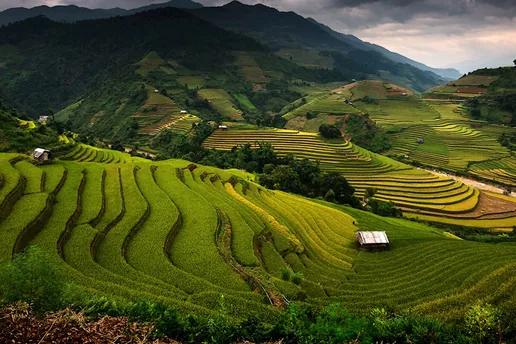 UNESCO Site
Banaue Rice Terraces
Ifugao, Cordillera
A UNESCO World Heritage Site carved into the mountainside over 2,000 years ago by the Ifugao people. Along with the nearby terraces of Batad, it is the most recognized hiking and cultural trail destination in the Cordillera.
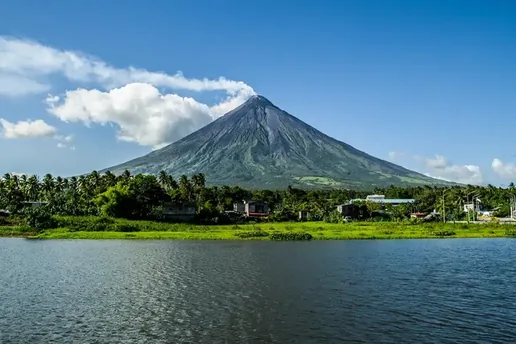 Volcano Trek
Mayon Volcano
Albay, Bicol
Known for its near-perfect cone, Mayon is the most active volcano in the Philippines and a major trekking and ATV destination near Legazpi City.
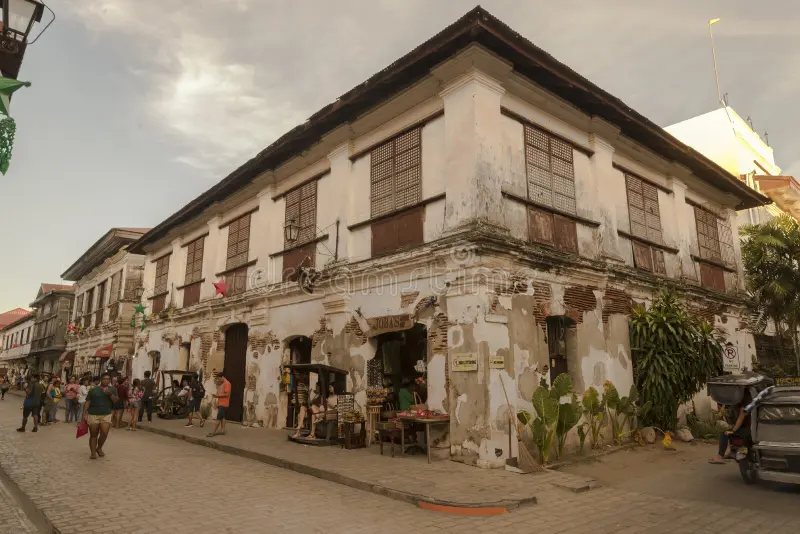 UNESCO Site
Vigan Heritage Town
Ilocos Sur
A UNESCO World Heritage Site and one of the best-preserved Spanish colonial towns in Asia, known for its cobblestone streets and calesa rides through Calle Crisologo.
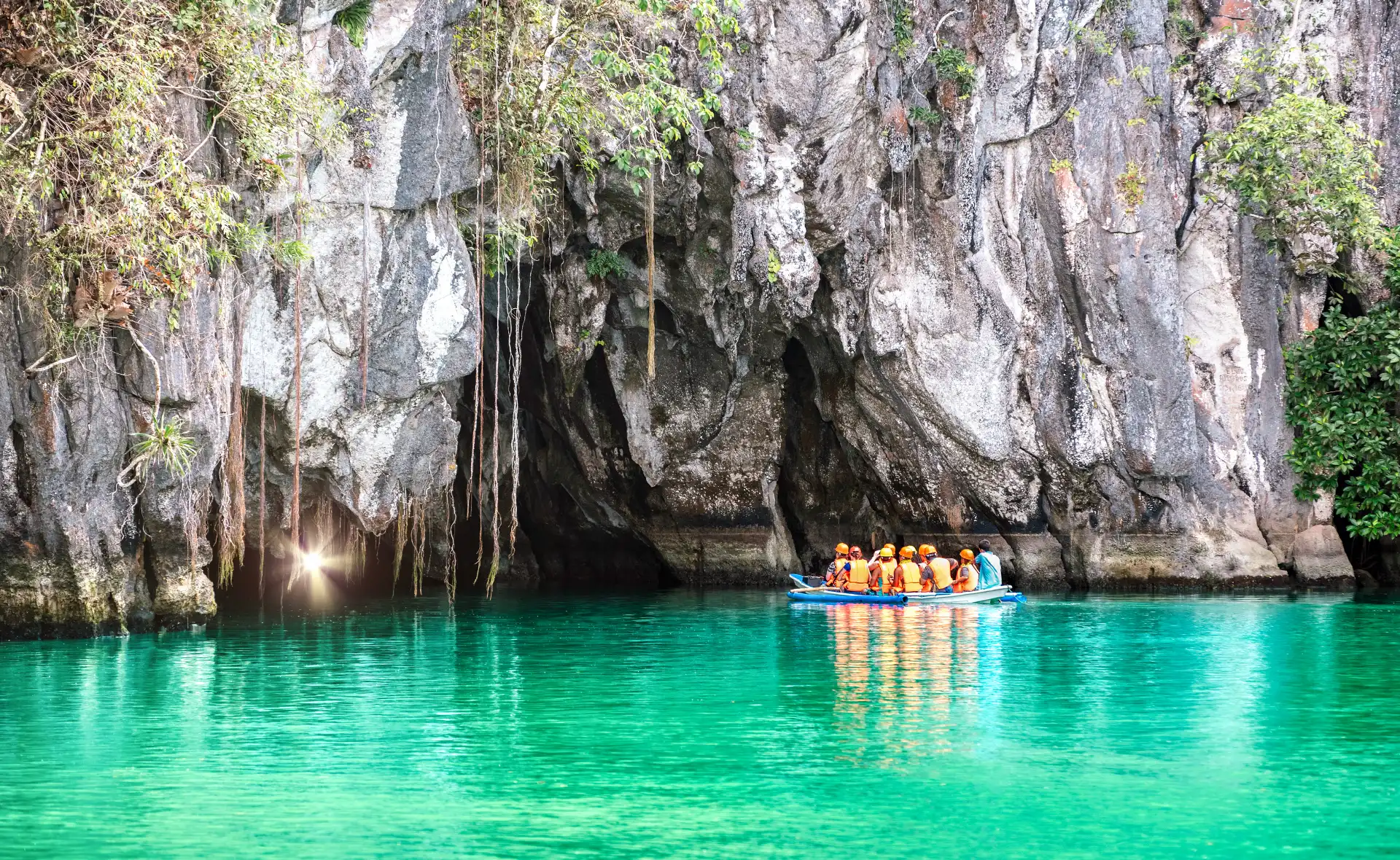 UNESCO Site
Puerto Princesa Underground River
Palawan, MIMAROPA
A UNESCO World Heritage Site and one of the New7Wonders of Nature, featuring a navigable underground river through a limestone karst cave system.
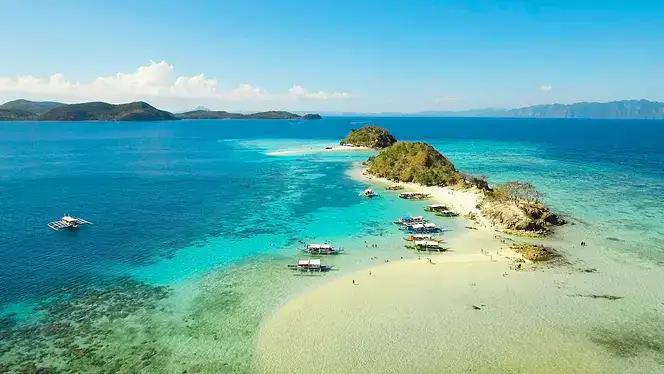 Diving Spot
El Nido and Coron
Palawan, MIMAROPA
Two of the top diving and island-hopping destinations in the Philippines, known for limestone cliffs, lagoons, and World War II wreck diving sites.
 Hiking Trail
Sagada
Mountain Province, CAR
Known for hanging coffin burial sites, cave exploration at Sumaguing Cave, and cool-climate hiking trails through pine forests.
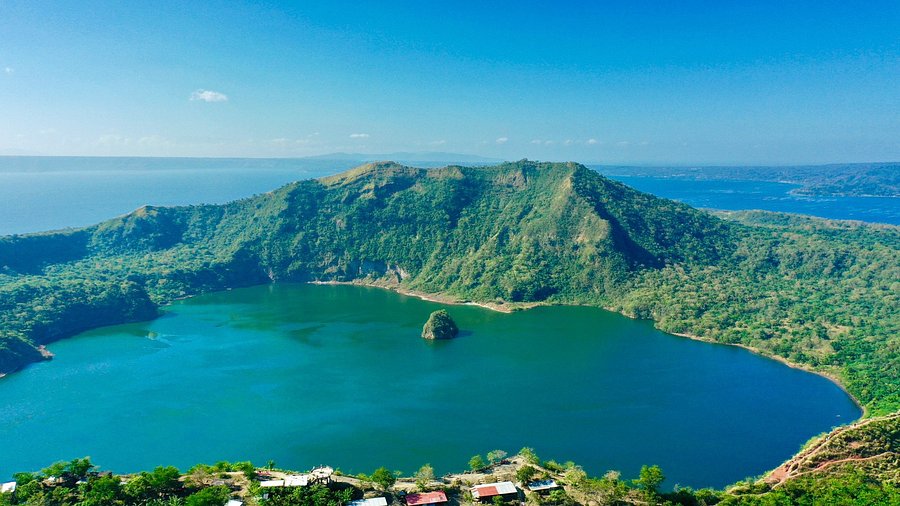 Volcano Trek
Taal Volcano
Batangas, CALABARZON
An active volcano within a volcano, sitting inside Taal Lake, and one of the most accessible volcano hikes from Metro Manila.
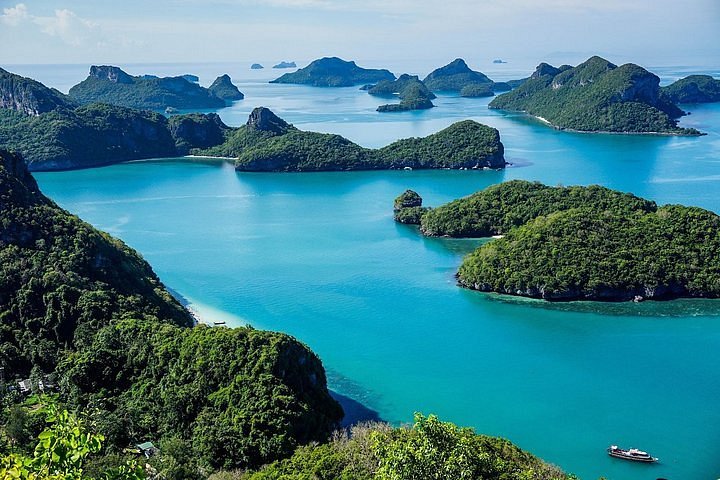 Marine Reserve
Hundred Islands National Park
Pangasinan, Ilocos Region
A protected marine reserve of over 100 limestone islands, popular for island hopping and snorkeling along the Pangasinan coast.
Beaches in Luzon
Coastal destinations across six regions, from recognized surf breaks and resort dive sites to quieter island communities and remote peninsulas.
Natural Landscapes
Mountains and Nature Destinations
The Cordillera highlands, Sierra Madre, and the volcanic landscapes of Bicol anchor Luzon's mountain and nature travel. Activities range from multi-day trekking routes to single-day waterfall hikes and cave systems.
Cordillera Administrative Region
Outdoor Activities
Festivals in Luzon
Luzon's 38 provinces host festivals rooted in harvest cycles, religious tradition, and community rebuilding, each drawing distinct regional food, dance, and craft traditions into the celebration.
Ati-Atihan is celebrated in Kalibo, Aklan, part of Western Visayas, not Luzon. It is excluded here since it is frequently confused with Luzon festivals in search results.
Getting There and Around
Traveling to and in Luzon
Two international airports, a RORO ferry network, and an expressway system connect Metro Manila to every Luzon province. Once inside, jeepneys, buses, UV Express vans, and rail lines cover the rest.
Trip Planning Sequence
Eight steps to plan any Luzon trip, from choosing a destination to checking festival dates before you leave.
Choose a Region or Destination
Pick a starting point, whether a single region like Bicol or Pala...
Check Tourist Attractions
Identify the anchor sites: UNESCO spots, volcanoes, heritage town...
Plan Things to Do
Move beyond the main attraction into activities: island hopping,...
Find Restaurants
Each region has its own food identity. Identify the regional dish...
Book Accommodations Early
Choose accommodation based on proximity to your main activities....
Sort Out Transportation
Identify your entry point (NAIA, Clark, or a ferry terminal), the...
Try Local Food and Specialties
Use the local cuisine section of each region page to find dishes...
Check Festivals and Events
Confirm whether a local festival falls within your travel dates,...
Travel Advisories
Check weather conditions before visiting outdoor destinations, especially during typhoon season (June to November) when Pacific-facing coasts receive the most activity.
Confirm transportation schedules before long-distance trips. Bus routes and ferry schedules change with demand and are often operator-specific rather than centralized.
Check accommodation availability during national holidays and major local festivals. Baguio during Panagbenga and Naga during Peñafrancia fill up weeks in advance.
Research travel times between destinations. Luzon covers a large geographic area and road conditions outside expressways can add hours to a trip.
Carry cash when visiting remote or island destinations. Digital payments are available in cities, but barangay-level businesses and island communities may only accept cash.
Follow local tourism rules and environmental guidelines, particularly in protected marine areas like El Nido and dive sites in Batangas and Mindoro.
Check local advisories before visiting beaches, mountains, and islands. PAGASA typhoon signals, PHIVOLCS volcanic alerts, and LGU travel restrictions can affect access.
The dry season from November to April is the best window for most Luzon destinations. The eastern Pacific coast, including Aurora, receives rain year-round.
People Also Ask About Luzon
How many regions are in Luzon?
Luzon has 8 administrative regions: Region I (Ilocos Region), Region II (Cagayan Valley), Region III (Central Luzon), Region IV-A (CALABARZON), Region IV-B (MIMAROPA), Region V (Bicol Region), the National Capital Region (NCR), and the Cordillera Administrative Region (CAR).
What is the population of Luzon?
As of the 2020 Census, Luzon had a population of 62,196,942, about 57% of the entire Philippine population, making it the most populous of the country's three island groups. The figure reflects an annualized growth rate of 1.68% from the 2015 count of 57,470,097.
Which region in Luzon has the most people?
CALABARZON is the most populous region in Luzon and in the entire Philippines, with 16,195,042 residents in 2020, ahead of the National Capital Region at 13,484,462 and Central Luzon at 12,422,172. The Cordillera Administrative Region is the least populated at 1,797,660.
What is Luzon most known for?
Luzon is known for Mayon Volcano in Albay, the Banaue Rice Terraces in Ifugao, the UNESCO heritage city of Vigan in Ilocos Sur, the Puerto Princesa Underground River in Palawan, Metro Manila as the national capital, and Baguio City as the Summer Capital of the Philippines.
What are the top tourist destinations in Luzon?
Top destinations include Palawan for island hopping and diving, Bicol for Mayon Volcano and whale shark watching in Donsol, Baguio City for its cool highland climate, La Union for surfing, Vigan for Spanish colonial heritage, the Batanes Islands for scenic coastal landscapes, and Tagaytay for Taal Volcano views.
What are the beaches in Luzon?
Luzon's beach destinations span six regions: La Union and Pagudpud in the Ilocos Region for surfing, Zambales and Aurora in Central Luzon for camping and Pacific-facing breaks, Batangas and Quezon in CALABARZON for diving and resort coasts, and Palawan, Mindoro, Caramoan, Catanduanes, and Romblon in MIMAROPA and Bicol for island hopping and marine destinations.
How many provinces does Luzon have?
Luzon has 38 provinces spread across its 8 administrative regions. They range from the island province of Batanes in the far north to Sorsogon at the southern tip of the Luzon mainland, and Palawan extending toward Borneo in the southwest. The National Capital Region is not subdivided into provinces.
How many cities and municipalities are in Luzon?
Luzon has 74 cities, 697 municipalities, and 20,518 barangays across its 8 regions based on Philippine Statistics Authority data. CALABARZON holds the most barangays at 4,019, while NCR concentrates 16 highly urbanized cities into a single metropolitan area.
Is Palawan part of Luzon?
Palawan is administratively part of the MIMAROPA region (Region IV-B), which is grouped within Luzon in the Philippines' three-island-group framework. Geographically, Palawan is separated from the main Luzon island by surrounding seas. For travel and directory purposes, Palawan sits under the Luzon island group.
What languages are spoken in Luzon?
Filipino (based on Tagalog) is the primary language of Metro Manila and much of Central Luzon and CALABARZON. Other major languages include Ilocano in the Ilocos Region and Cagayan Valley, Bicolano in the Bicol Region, Kapampangan in Pampanga, Pangasinense in Pangasinan, and Igorot languages in the Cordillera.
What is the best time to visit Luzon?
The best time to visit most of Luzon is from November to April during the dry season. The Pacific-facing eastern coast, including Aurora and eastern Cagayan, receives more rain year-round. Baguio and the Cordillera highlands are pleasant year-round but coolest from December to February.
How do you get to Luzon from the Visayas or Mindanao?
The main routes are by ferry through Batangas Port or Manila North Harbor, served by operators like 2GO Travel and Starlite Ferries, or by air through NAIA or Clark International Airport, which connect to regional airports across Luzon.
Is Ati-Atihan celebrated in Luzon?
No. Ati-Atihan is celebrated in Kalibo, Aklan, part of Western Visayas, not Luzon. Luzon's comparable large-scale festivals include Panagbenga in Baguio and Peñafrancia in Naga City.
What is the best way to travel between provinces in Luzon?
Provincial bus lines departing from Cubao, Pasay, and Sampaloc terminals in Metro Manila cover most mainland routes. Island provinces like Palawan, Mindoro, Marinduque, and Batanes require either domestic flights or ferry crossings from Batangas or Manila.
Are there businesses and service providers listed in Luzon?
Yes, azifind lists 16,765 verified businesses across Luzon's 8 regions, covering hotels, restaurants, retail, healthcare, financial services, and professional service providers, searchable by category and city.
Last verified: September 15, 2026. Population figures reflect the 2020 Census of Population and Housing. Geographic and administrative data follow the Philippine Statistics Authority PSGC 1Q 2026 release. About azifind.com →