The Philippines is one of the richest countries on the planet for bird endemism relative to its land area. Of the 743 bird species recorded nationwide, 229 occur naturally nowhere else, and that ratio turns an ordinary morning of birdwatching into something closer to a natural history expedition.
This article explains why the archipelago produces so many endemic birds, profiles the Philippine Eagle and the species most at risk, shows where to actually see them, and closes with a searchable list of all 77 endemics, each with a photo, its range, and its IUCN Red List status.
Why Island Isolation Builds So Many Endemic Species
Philippine Archipelago · 7,600+ Islands
The engine behind Philippine bird endemism is geography. The archipelago spreads across more than 7,600 islands, and open water is a powerful barrier for forest birds that rarely cross it. When a population is separated from its relatives for thousands of generations, small differences in song, plumage, and size accumulate until the two groups no longer interbreed. The result is an endemic species, and the country has run that experiment in parallel thousands of times over.
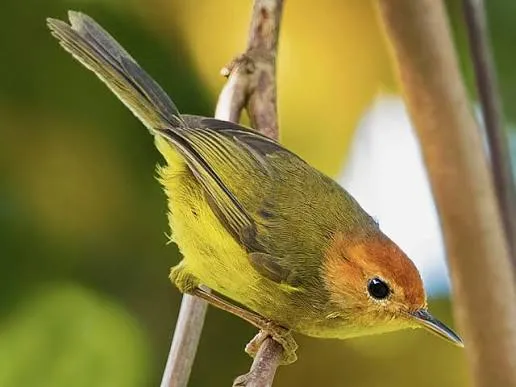
Elevation deepens the pattern. A lowland dipterocarp forest, a mid-elevation montane forest, and a high mossy forest on the same mountain each hold their own specialists. The Cinnamon White-eye of Mindanao's higher slopes shows how far the divergence can go: it is the only member of its family that has lost the white eye-ring the group is named for. Isolation does not just multiply species, it produces genuine oddities.
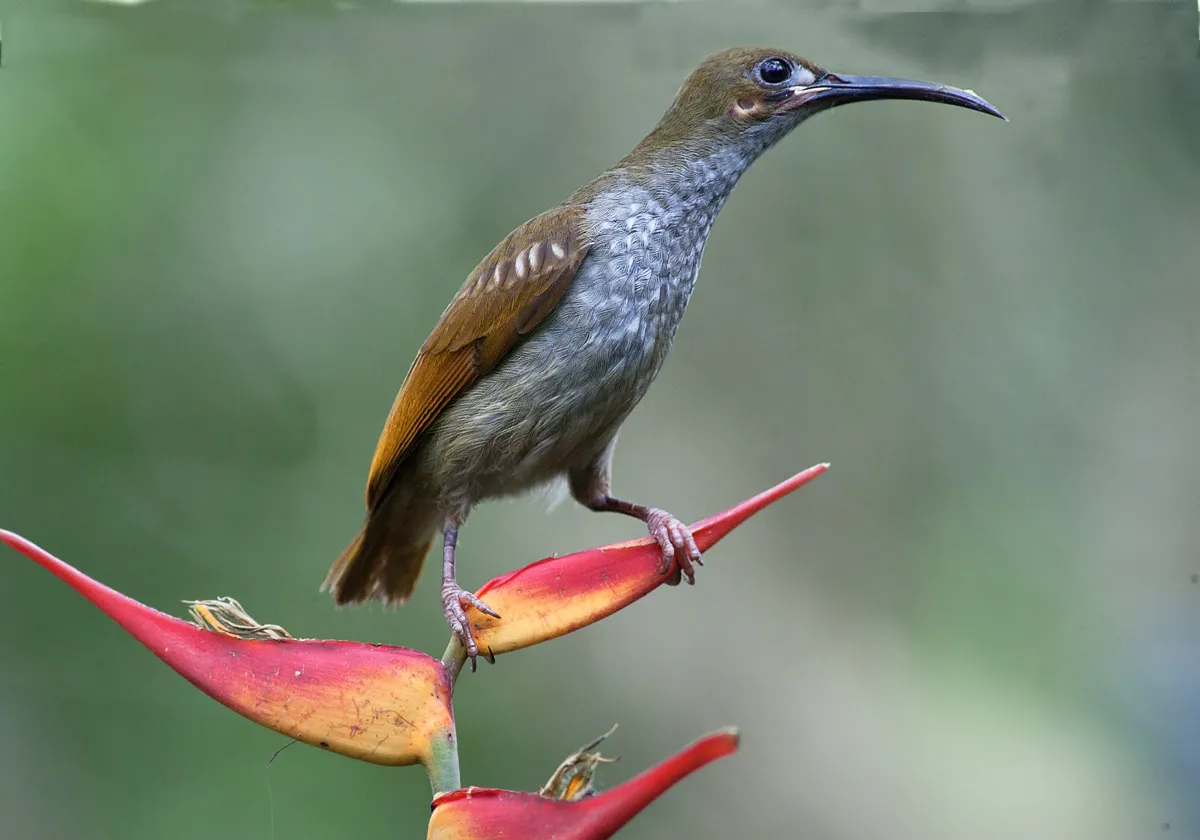
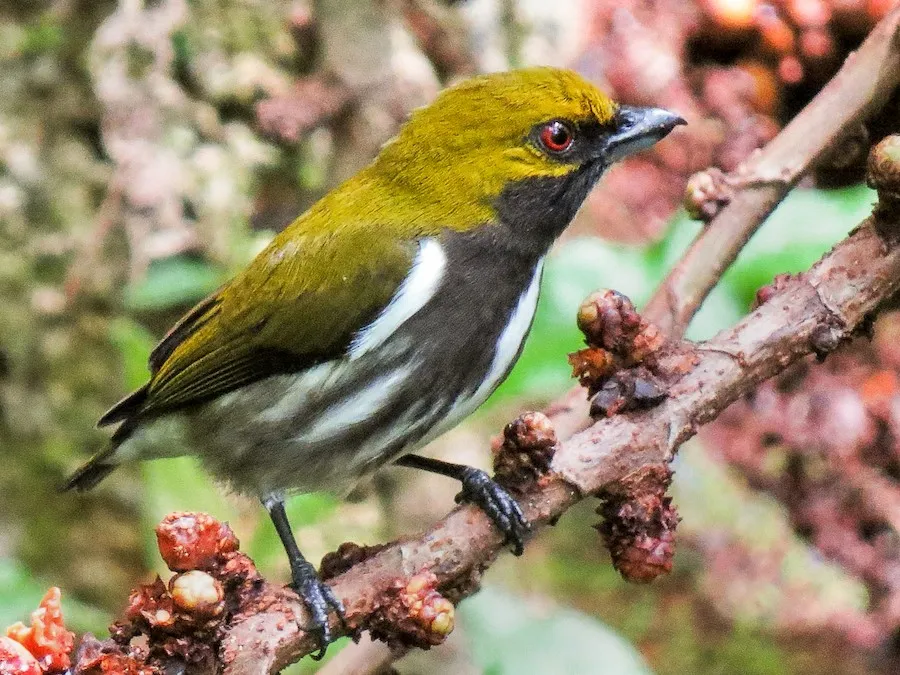
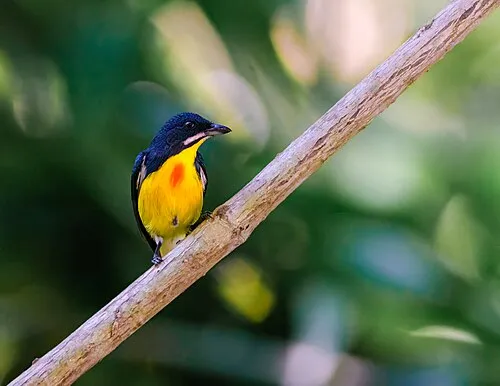
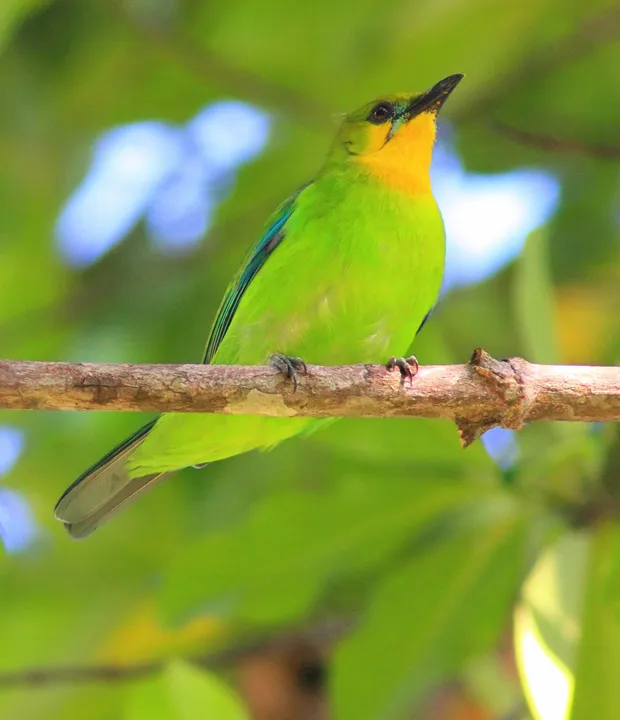
The clearest cases are the single-island endemics. The Black Shama survives only in the remnant forest of Cebu. The Blue-headed Racquet-tail, the Palawan Flowerpecker, and the Yellow-throated Leafbird are tied entirely to Palawan, an island geographically closer to Borneo than to the rest of the country, which carries its own distinct set of endemics as a result. When a bird is confined to one island or one mountain range, its fate is bound tightly to that single patch of forest.

azifind.com Wildlife
Philippine Wildlife Overview
Forest Habitat · All Island Groups 🌐
Lowland, montane, and mossy forest each hold their own endemic specialists. Habitat loss from lowland forest clearing is the main driver behind most threatened listings.

The Island Groups and Their Signature Birds
Luzon, Visayas, Mindanao, Palawan
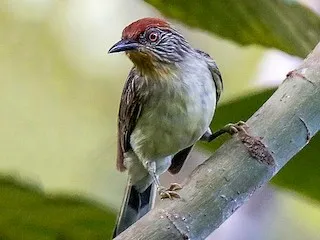
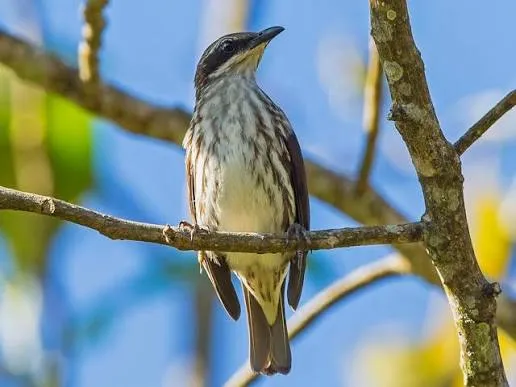
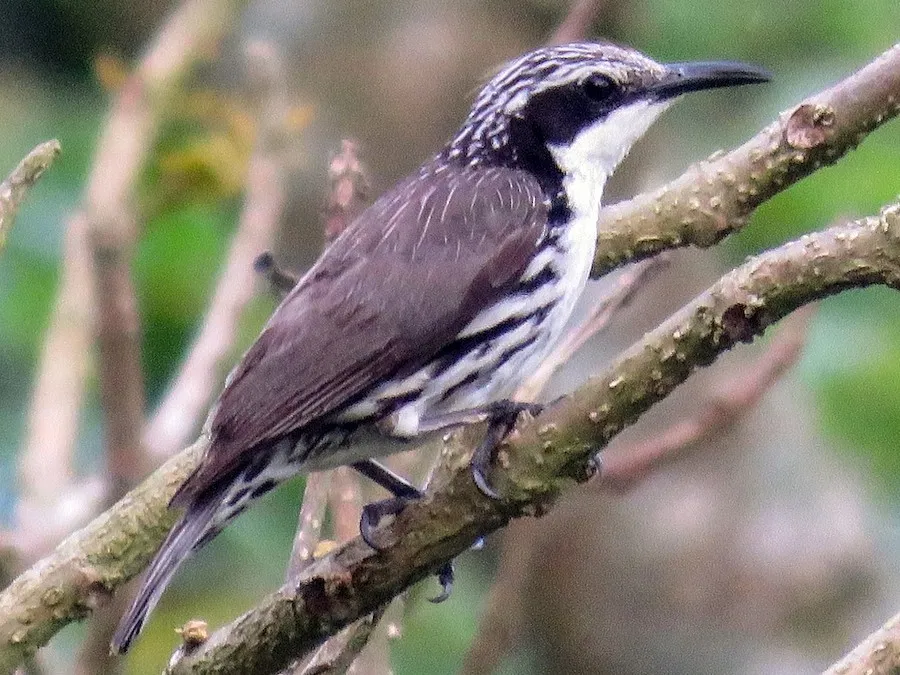
Endemic distribution follows the major island groupings, and each carries species worth knowing. The Philippines even holds an entire endemic family: the rhabdornis, or Philippine creepers, bark-foraging birds found as a lineage nowhere else on Earth, represented here by the Stripe-breasted and Stripe-sided Rhabdornis.
Luzon
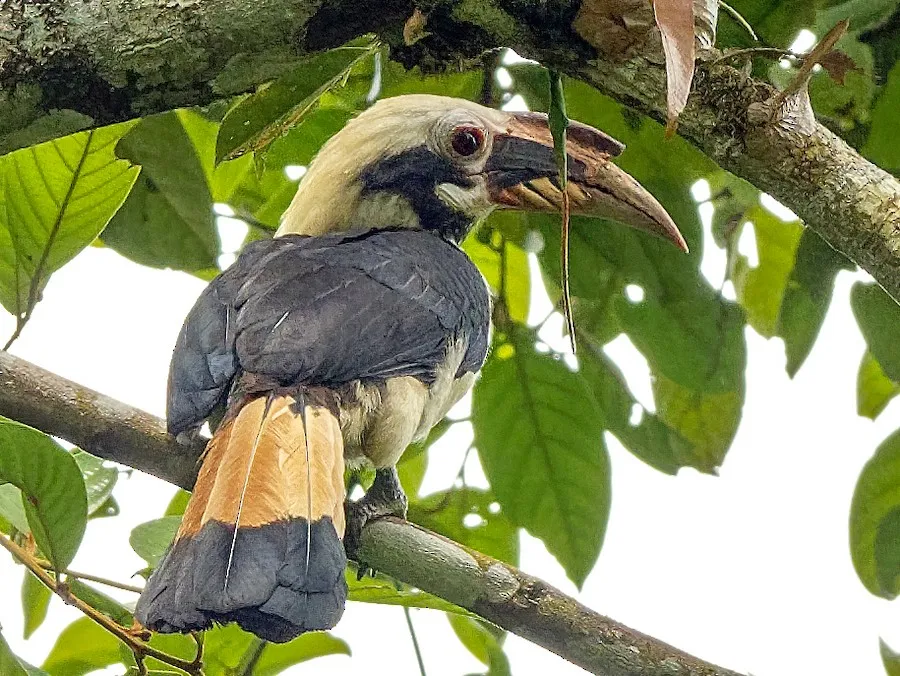
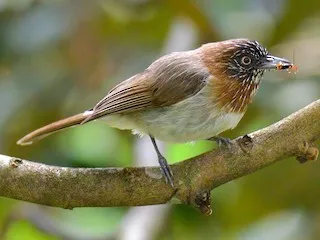
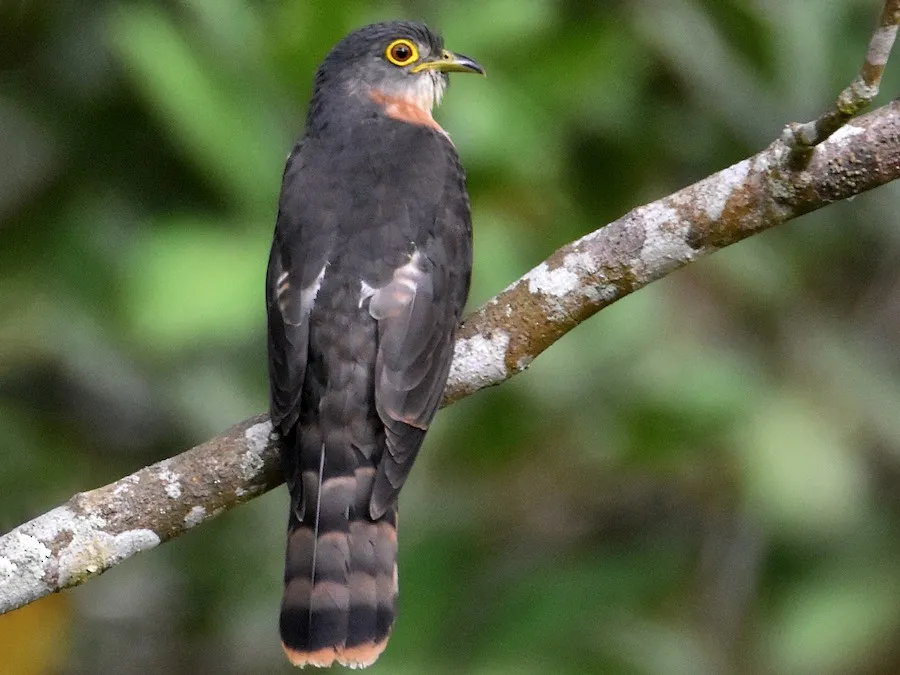
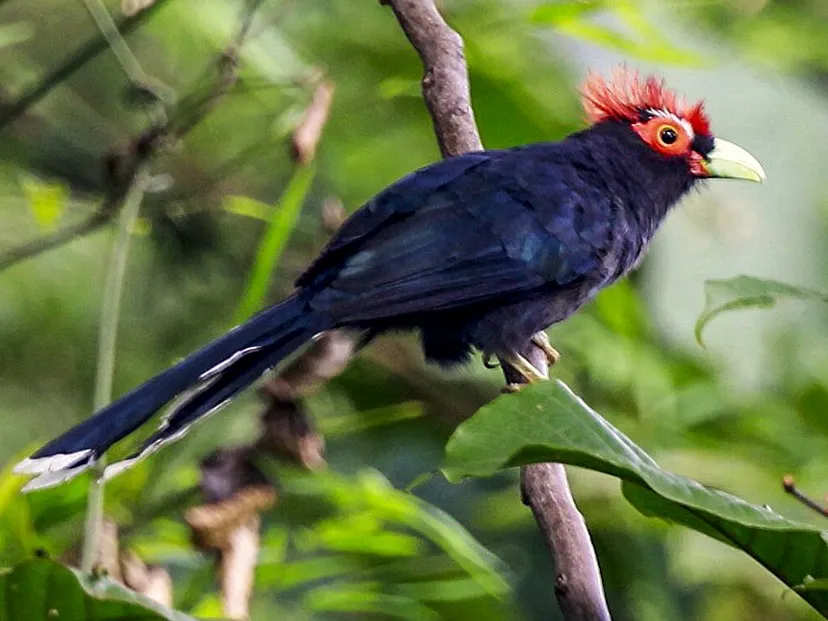
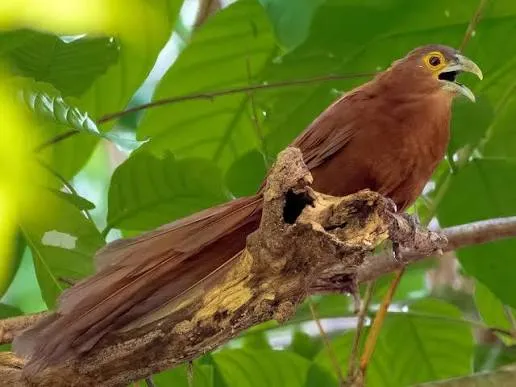
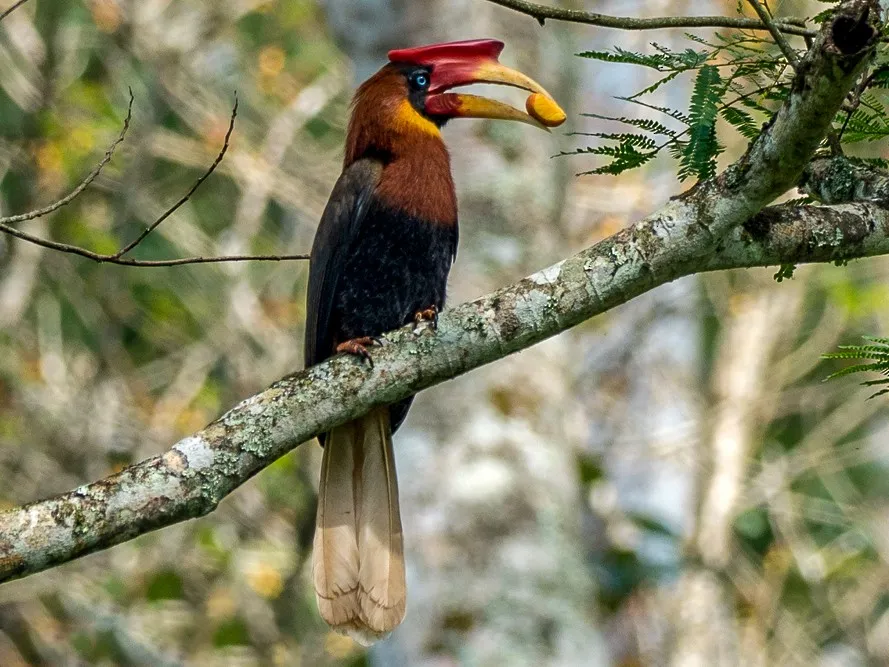
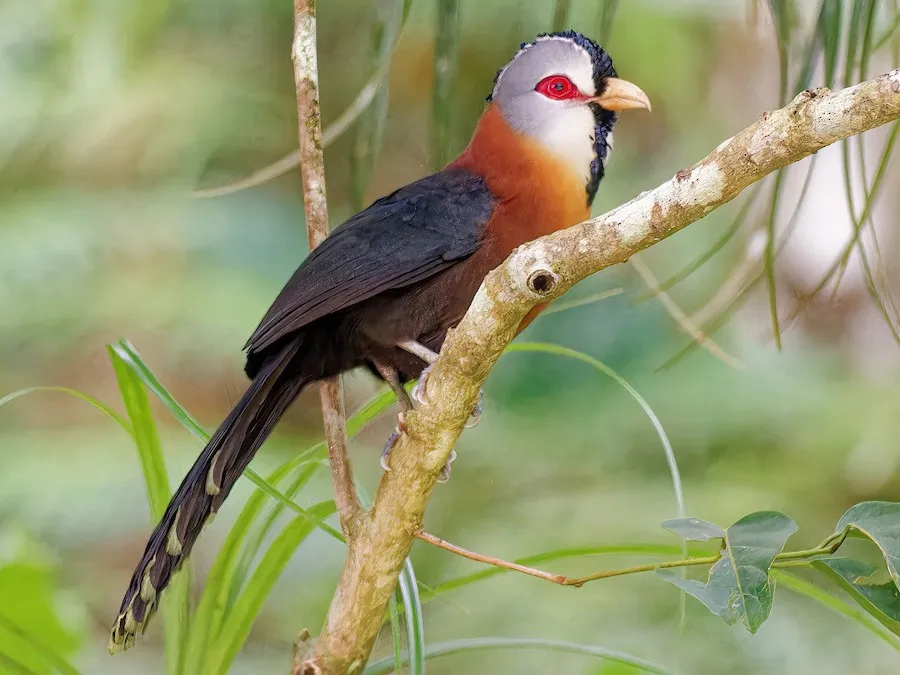
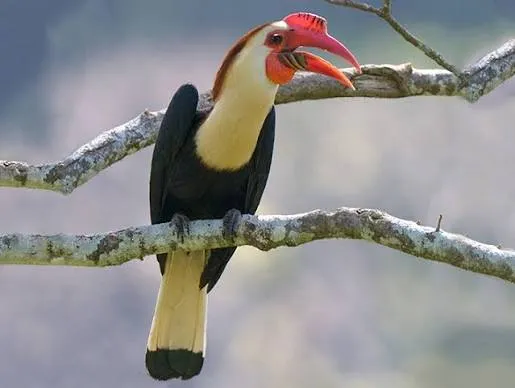
Luzon holds the widest roster, from the Scale-feathered Malkoha with its spiky crest and red facial skin to the Rufous Coucal skulking in tangled undergrowth. The Rufous Hornbill, one of the country's largest birds with a massive red-and-yellow casqued bill, ranges through Luzon's forests but now carries a Vulnerable status. The Red-crested Malkoha, the White-browed Shama, and a suite of fantails and flowerpeckers are restricted to the island.
Mindanao
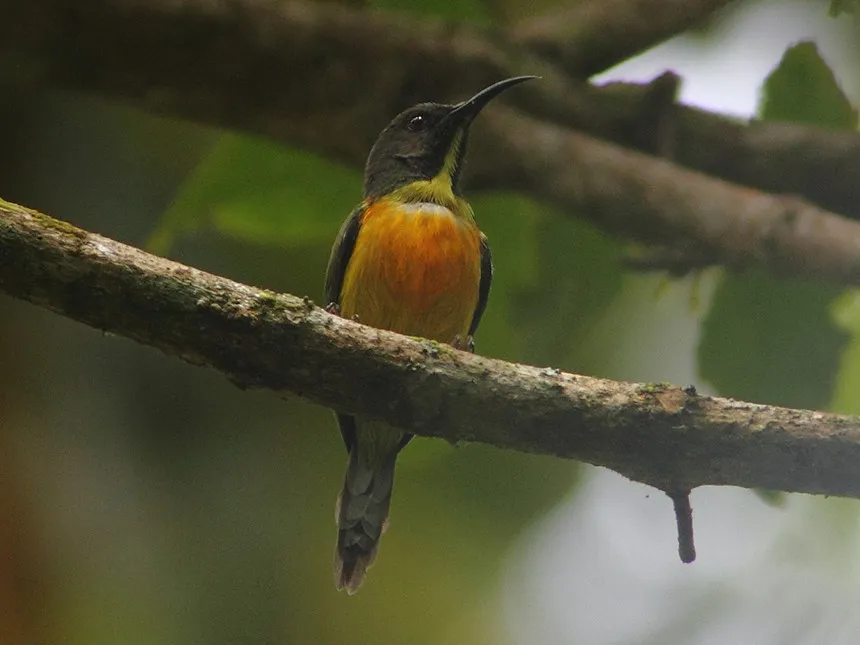
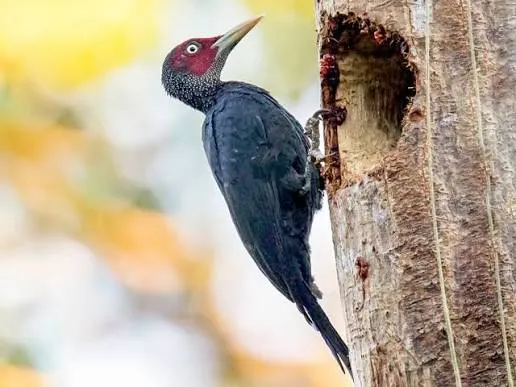
Mindanao is the stronghold for montane and mossy-forest specialists. The Apo Myna, the Mount Apo Sunbird, and the Black-and-cinnamon Fantail live in the high forests of the south, and McGregor's Cuckooshrike, a poorly known Vulnerable species, clings to a small area of Mindanao's highest mountains. The Writhed Hornbill, with its distinctively twisted casque, is another Mindanao specialty under pressure.
The Visayas
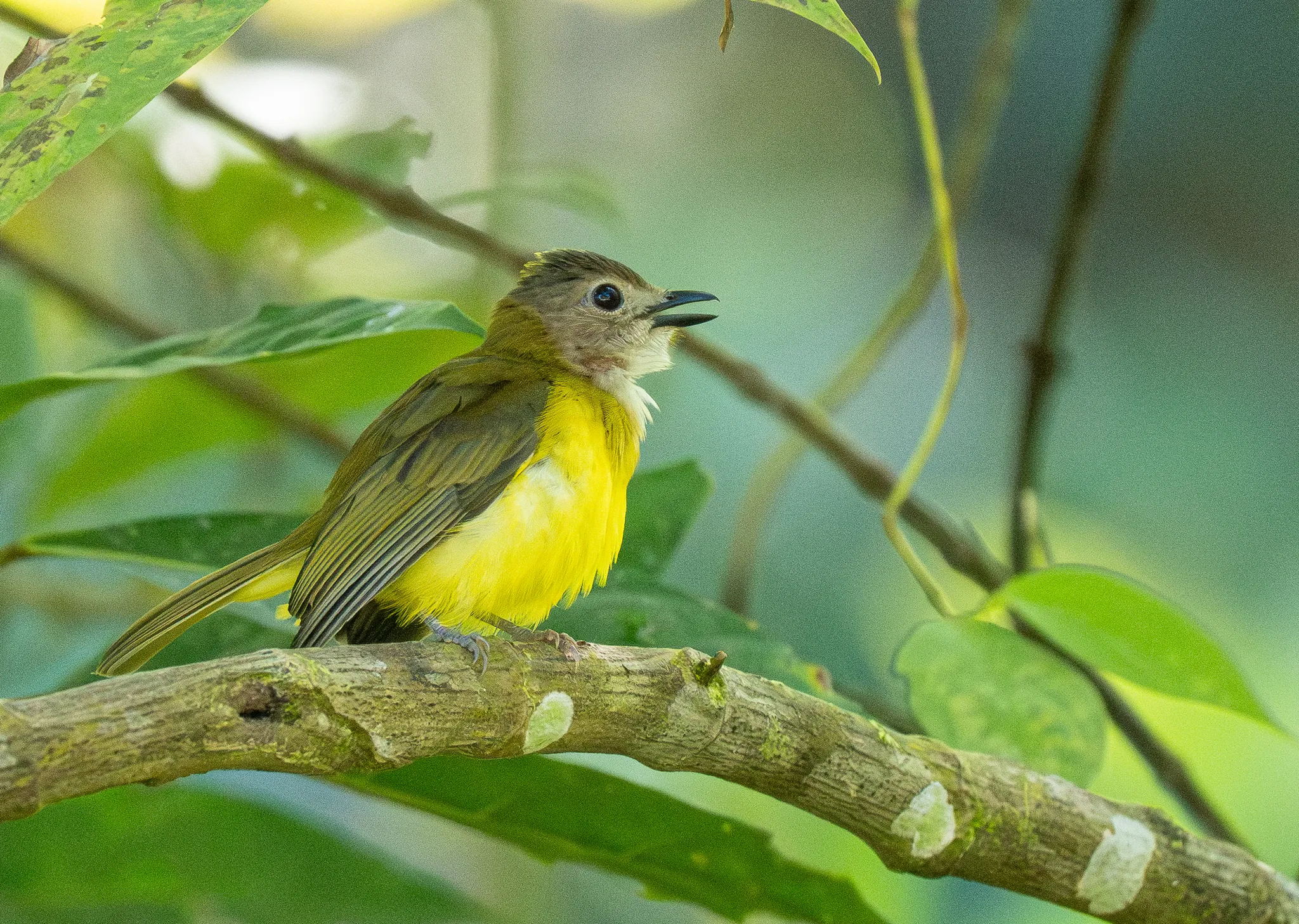
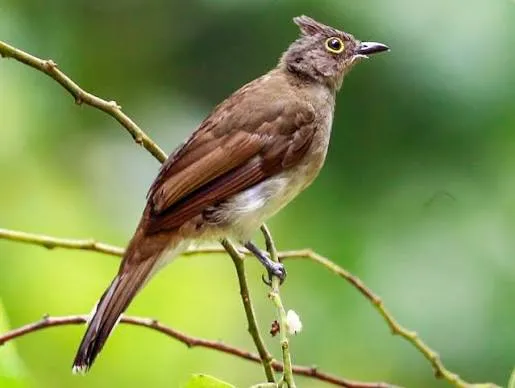
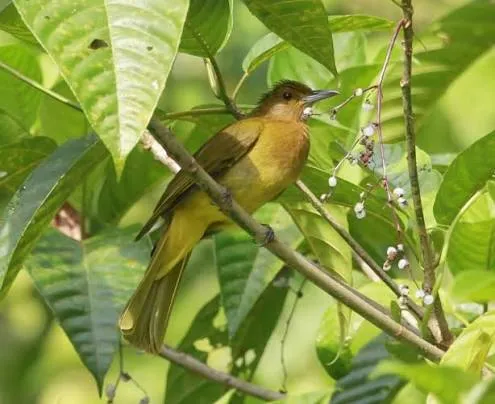
The Visayas carry endemics like the Cebu-restricted Black Shama, one of the most range-limited birds in the country, alongside more widely distributed species like the Philippine Bulbul and the Yellow-wattled Bulbul.
Palawan
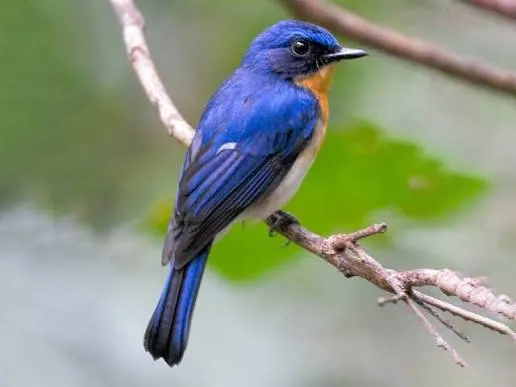
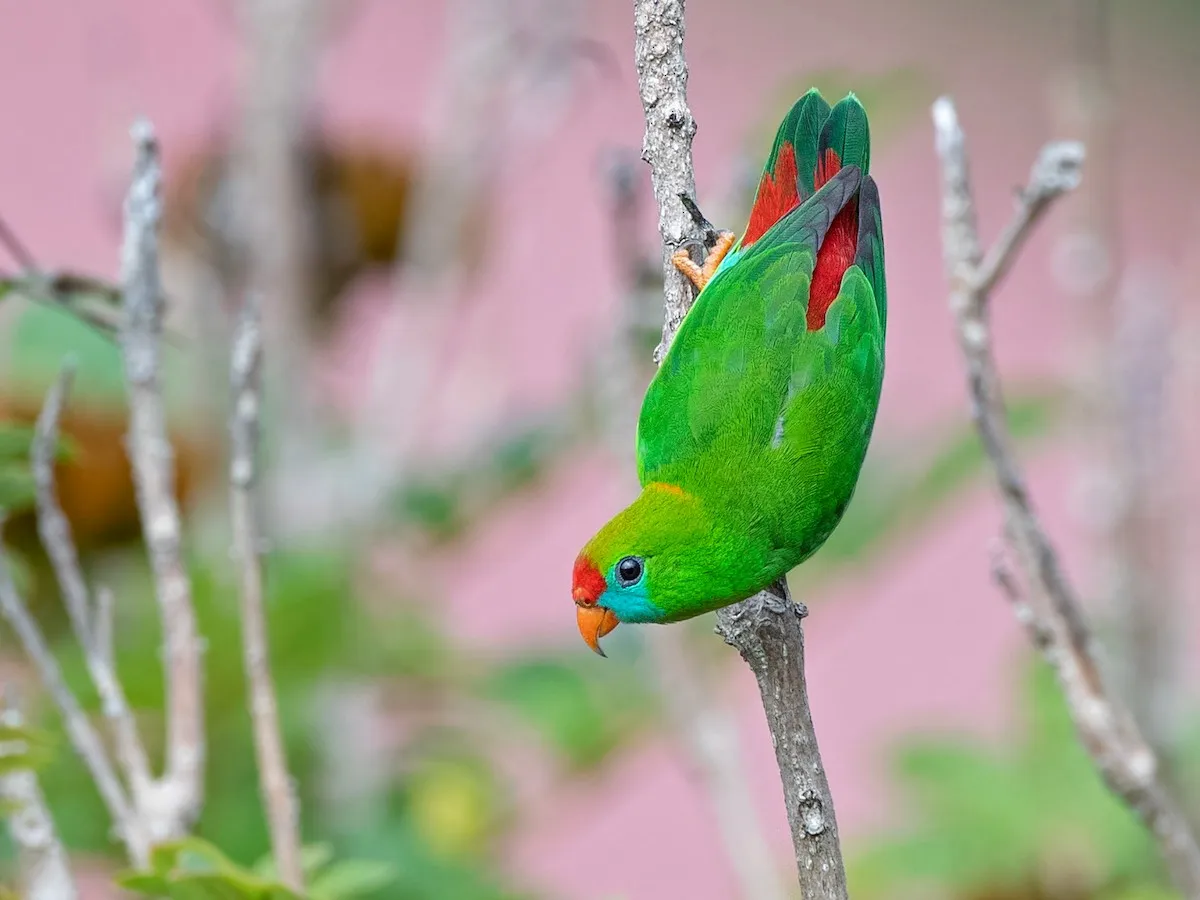
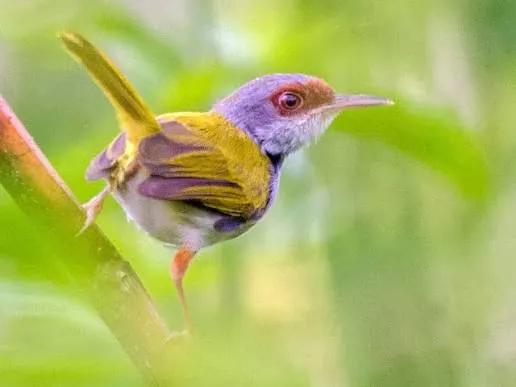
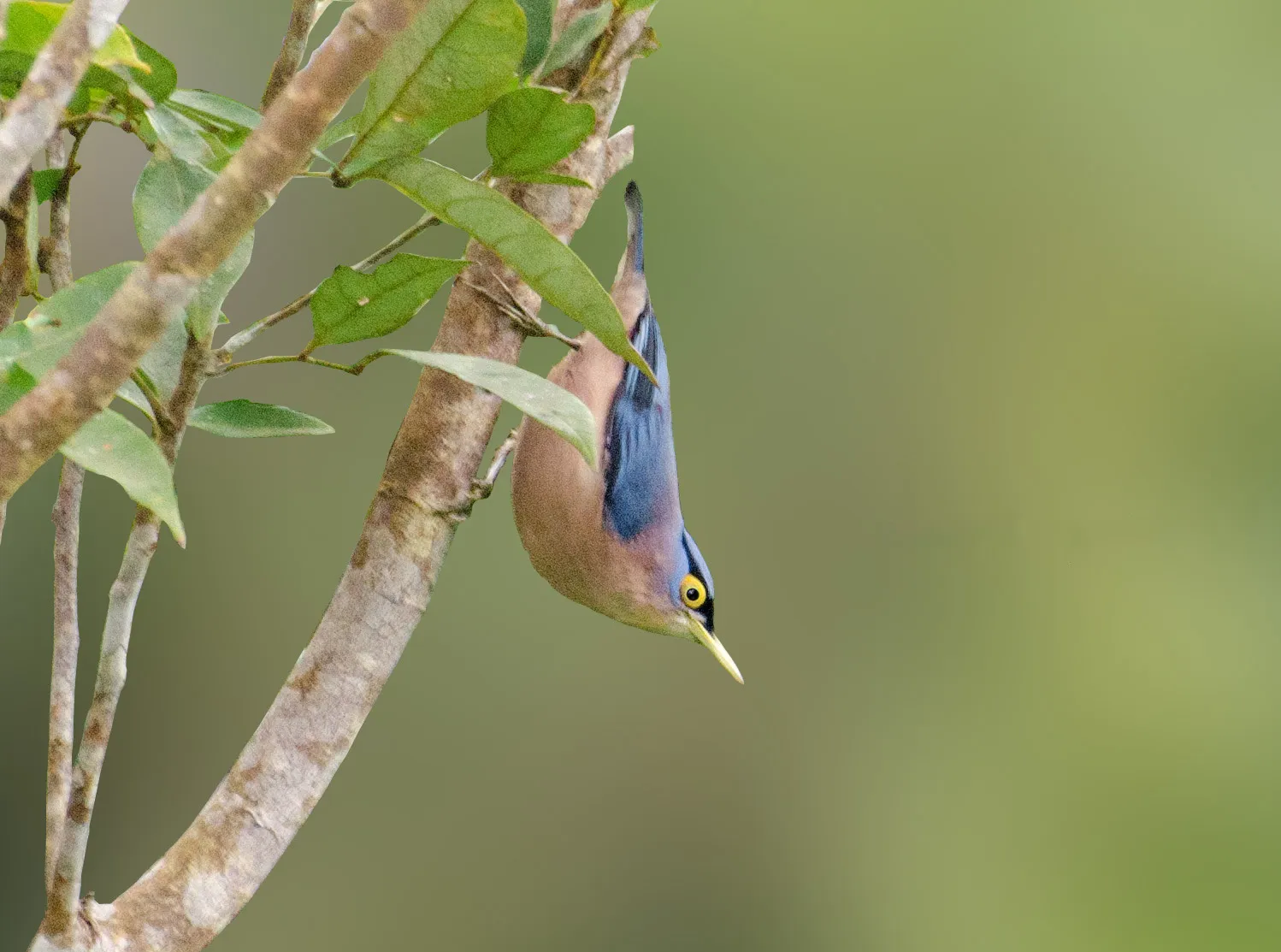
Palawan stands apart. Its Bornean affinities give it species found nowhere else in the country, including the Palawan Blue-Flycatcher, the Rufous-fronted Tailorbird, and the Southern Silvery-Kingfisher, a tiny stream-dwelling forest kingfisher now listed as Near Threatened. A handful of species are genuinely widespread across most of the archipelago, among them the Philippine Hanging-Parrot, the Philippine Serpent-Eagle, and the Sulphur-billed Nuthatch.
The Philippine Eagle and the Most Threatened Endemics
Great Philippine Eagle · National Bird · Critically Endangered
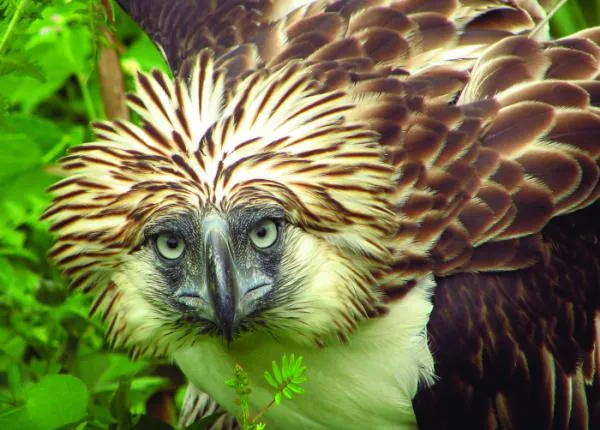
Species Profile
Great Philippine Eagle
IUCN Status
Critically Endangered
Scientific Name
Pithecophaga jefferyi
Range
Luzon, Samar, Leyte, Mindanao (small, declining population)
No endemic bird carries more weight than the Great Philippine Eagle, the national bird and one of the largest and rarest eagles in the world. With its shaggy blue-grey crest, brown upperparts, white underparts, and enormous bill, it hunts within primary dipterocarp forest across Luzon, Samar, Leyte, and Mindanao. Its status is Critically Endangered, and its small, declining population makes it the emblem of everything at stake in Philippine forest conservation.
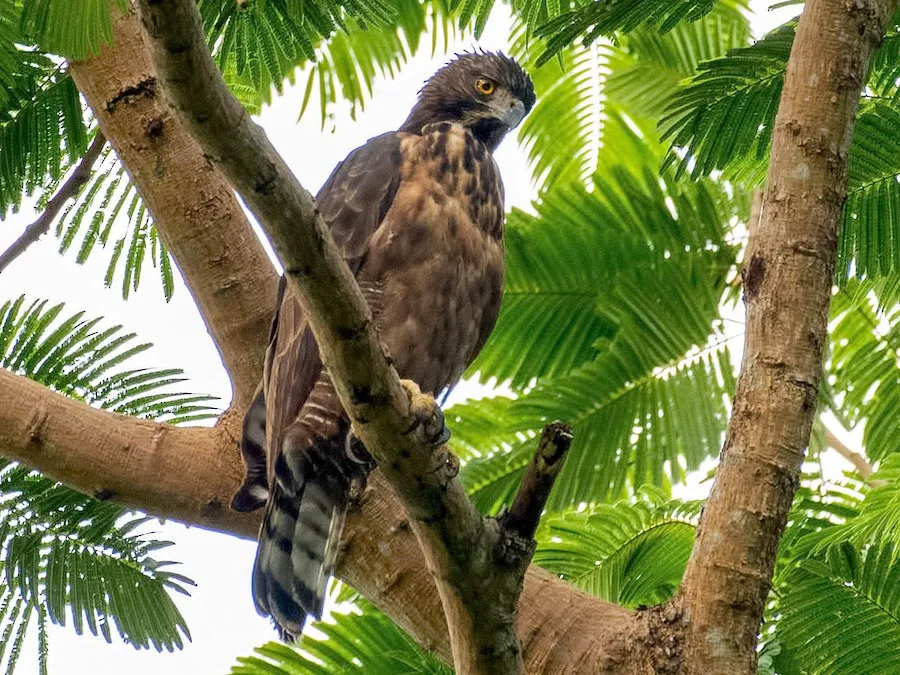
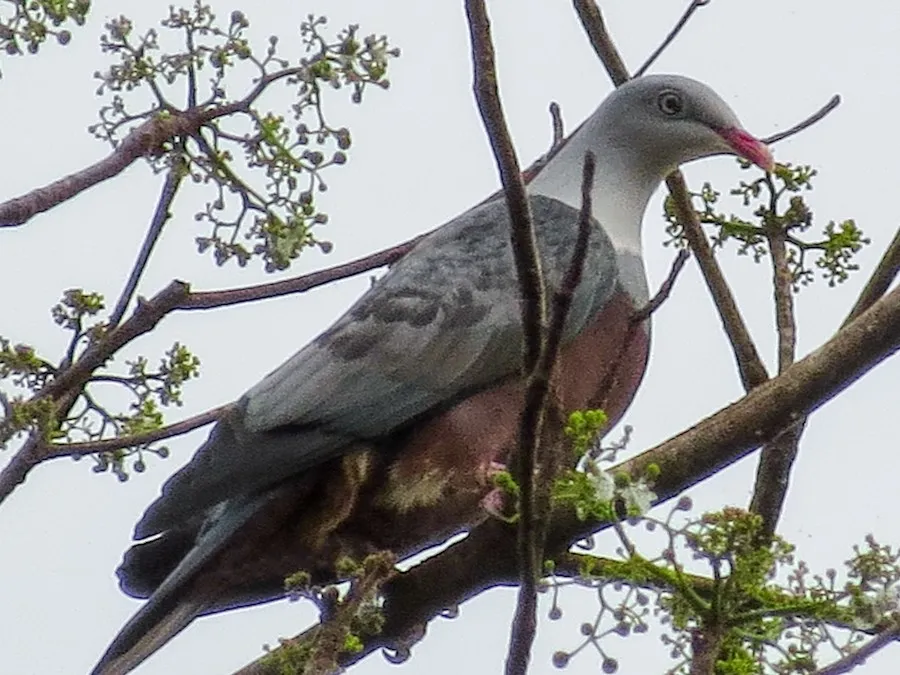
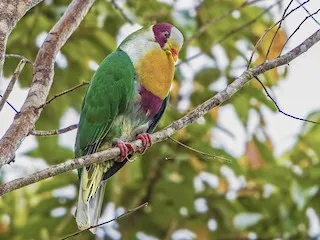
It is far from alone in trouble. The Philippine Hawk-Eagle is listed as Endangered, and several more endemics sit in the Vulnerable category, among them the Green Racquet-tail, whose fate is tied to shrinking lowland forest, along with the Rufous Hornbill, the Writhed Hornbill, and McGregor's Cuckooshrike. Species like the Spotted Imperial-Pigeon, the Black-and-cinnamon Fantail, and the Southern Silvery-Kingfisher carry a Near Threatened listing, a warning that their populations are being watched closely.
The common thread behind almost every threatened listing is habitat loss, and lowland forest clearing in particular. Birds restricted to primary lowland dipterocarp forest have nowhere to retreat when that habitat is logged or converted, which is why lowland specialists slide toward risk faster than montane species that occupy harder-to-reach elevations. Of the 77 endemics profiled here, 6 already carry a Vulnerable, Endangered, or Critically Endangered listing.
All 77 Endemic Species
Searchable · Filter by Island or Status
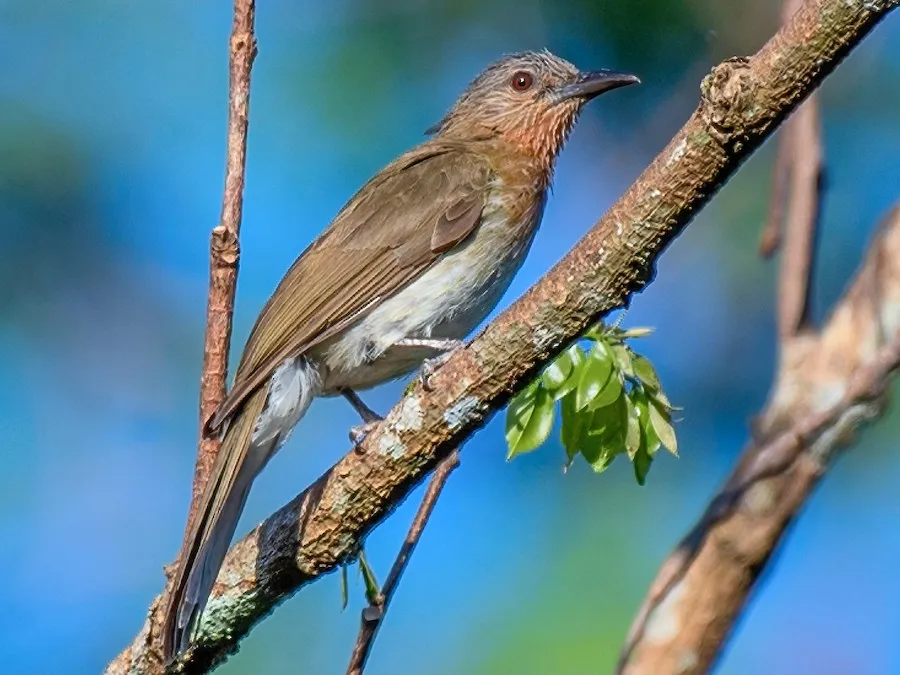
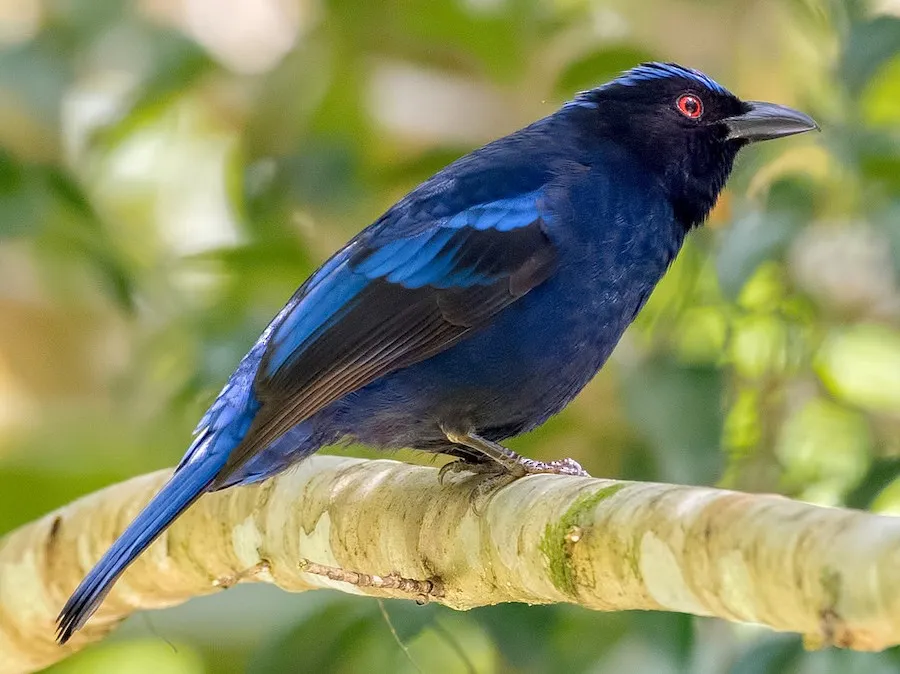
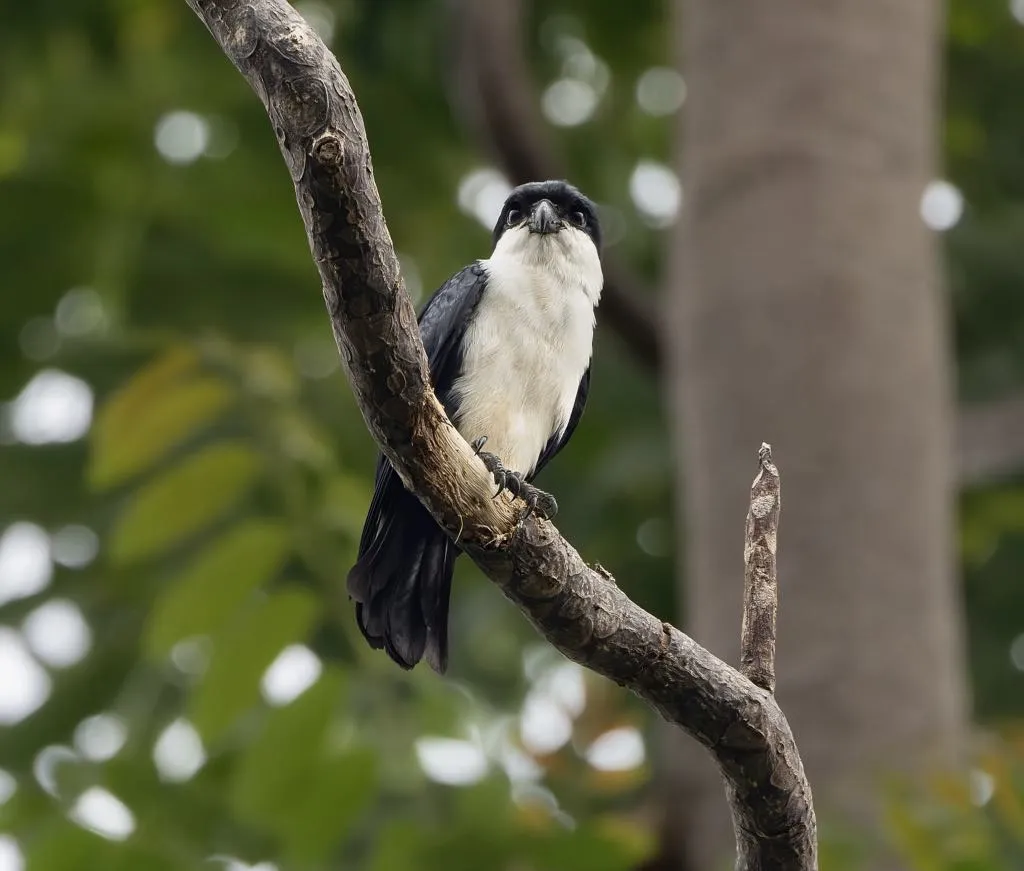
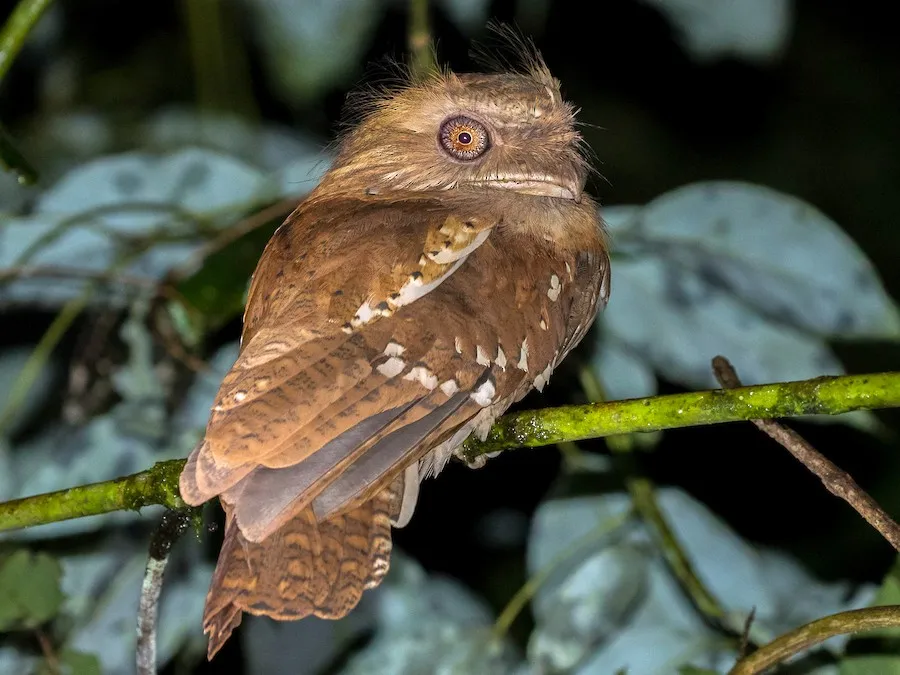
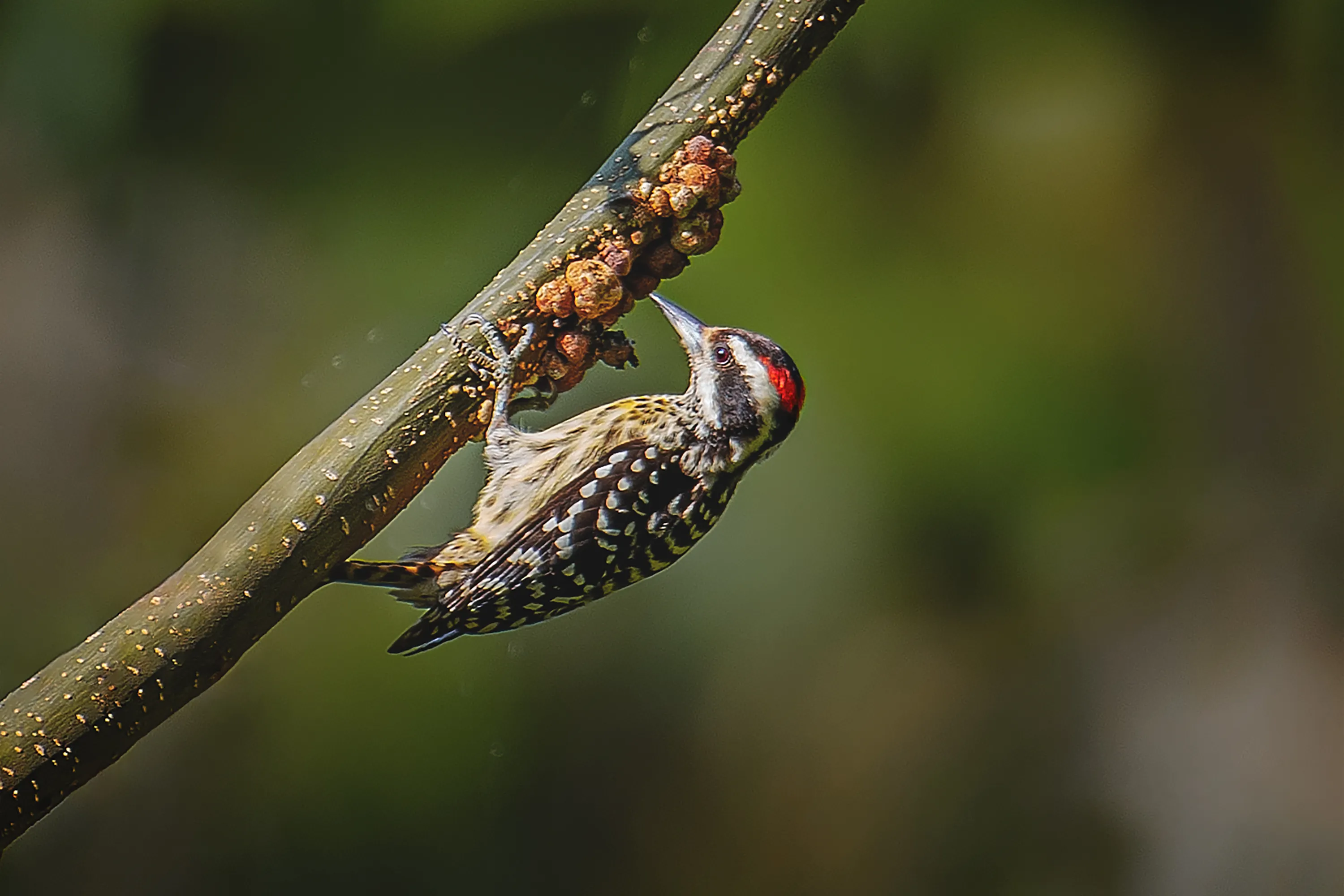
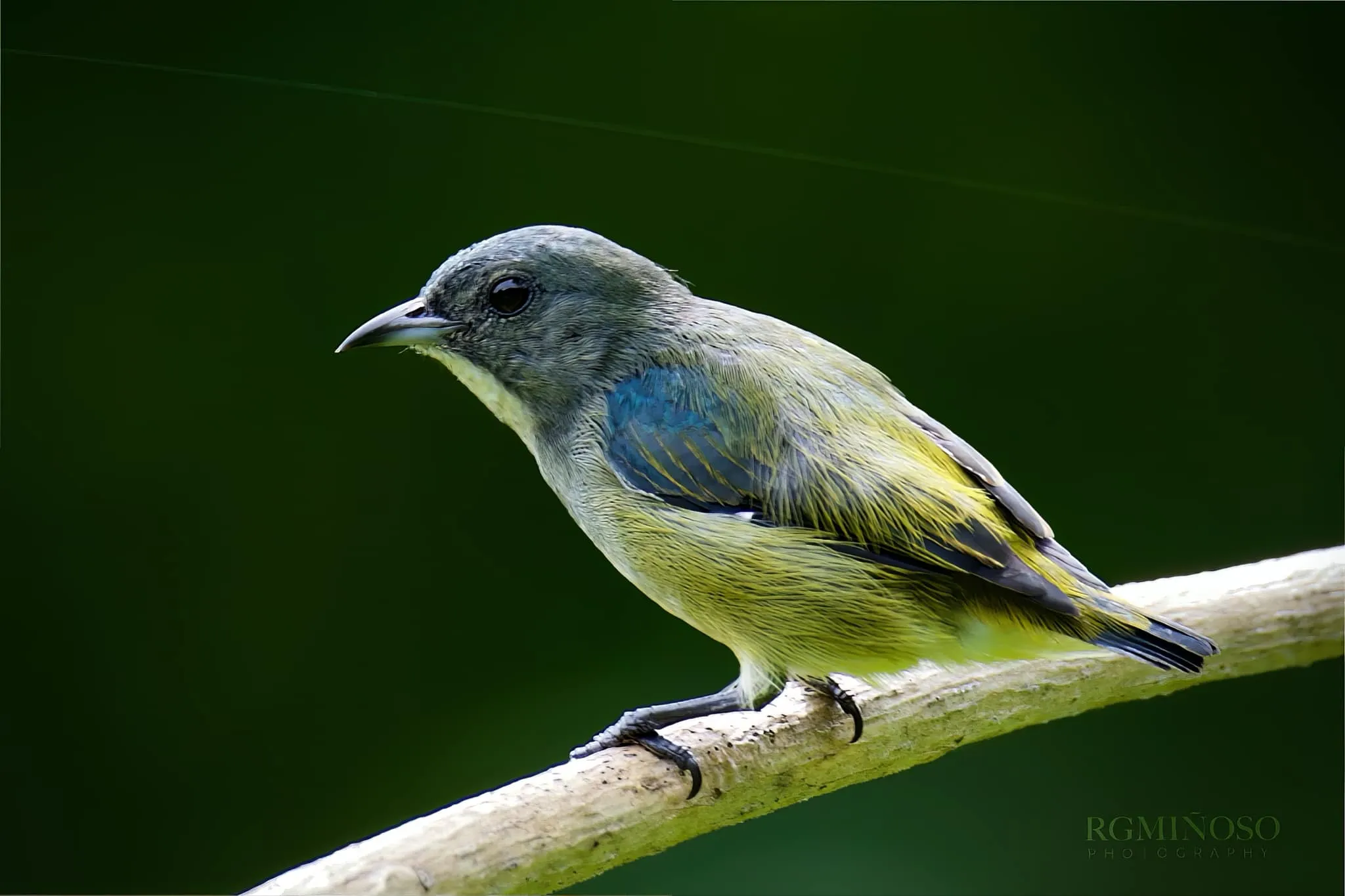
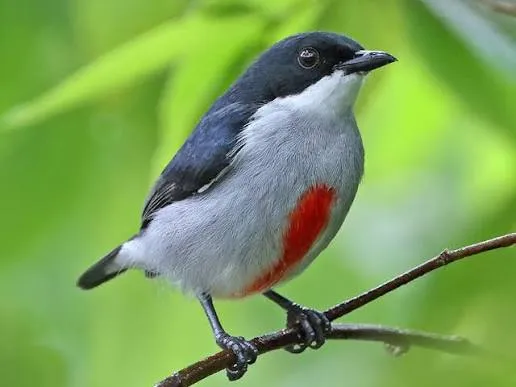
Every endemic bird in this reference is below, each with a photo, its range, and its IUCN Red List category shown as a colored dot, from green for Least Concern up to red for Critically Endangered. Search by name, or filter by island group and conservation status to narrow the list.
Showing 12 of 77 species
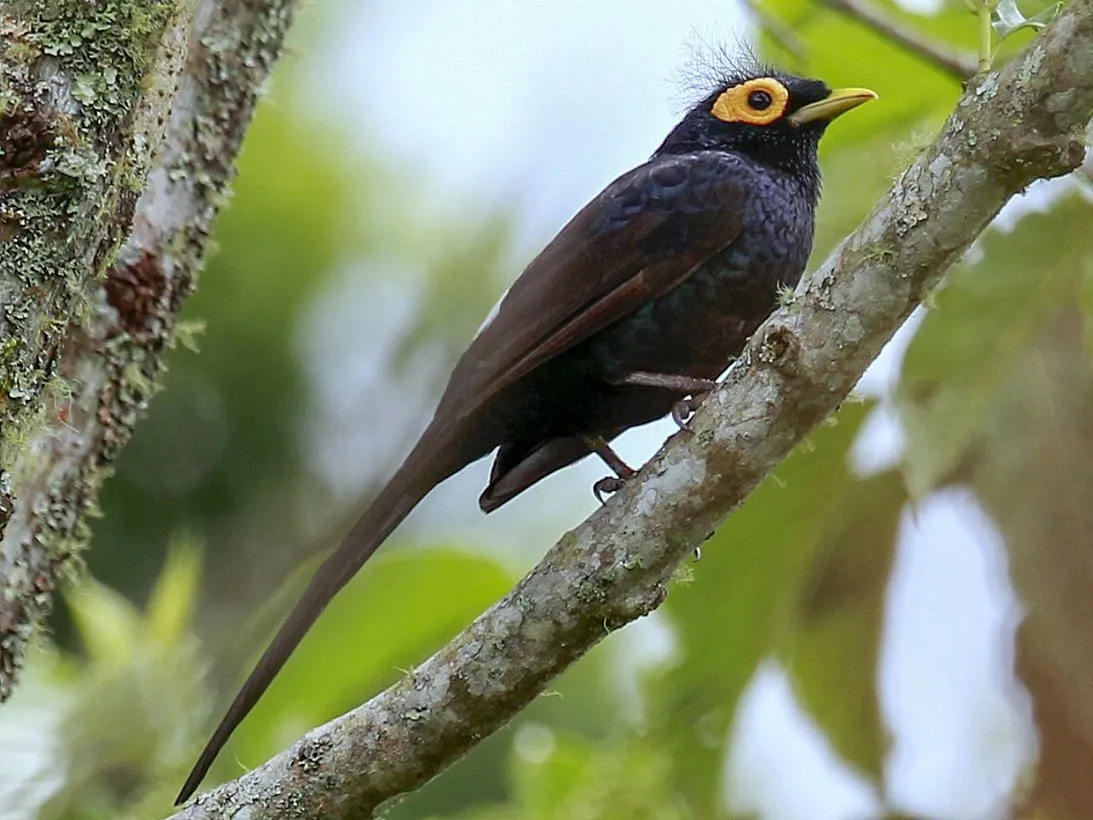
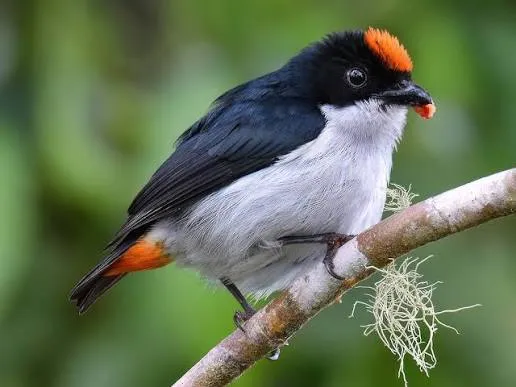
Apo Myna
Goodfellowia miranda
Slender, dark myna with a slight crest, found only in Mindanao's mountain forests.
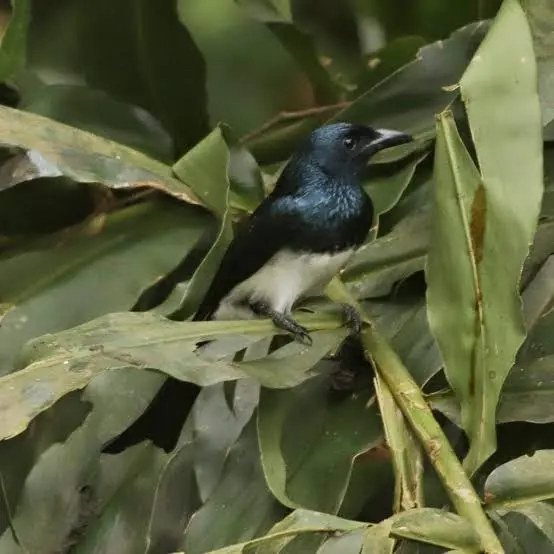
Balicassiao
Dicrurus balicassius
Glossy black drongo with a distinctive curled or forked tail; common and vocal forest bird.
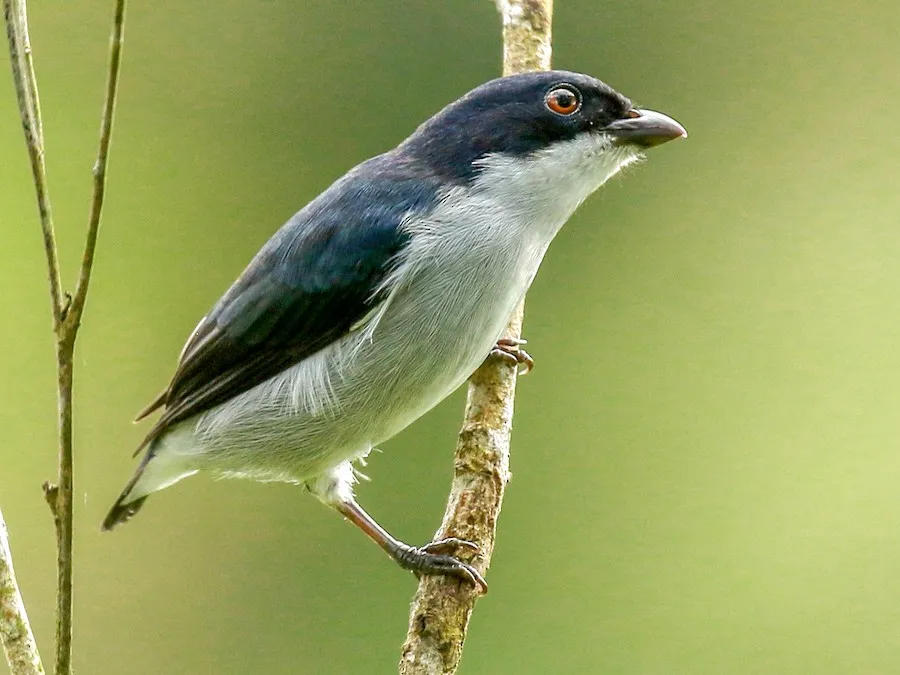
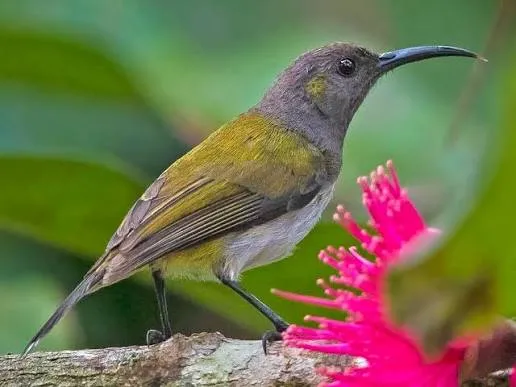
Bicolored Flowerpecker
Dicaeum bicolor
Small, plain flowerpecker, dark above and pale below, without bold markings.
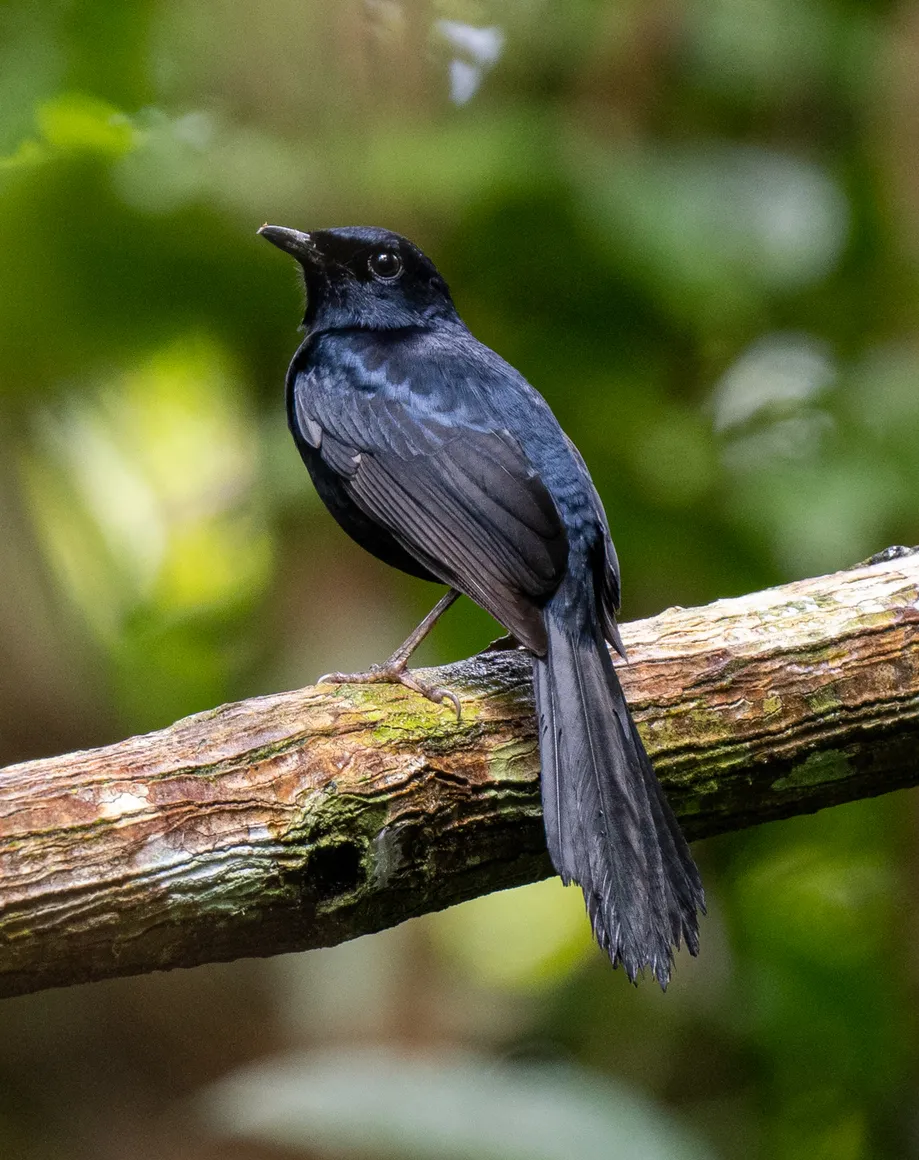
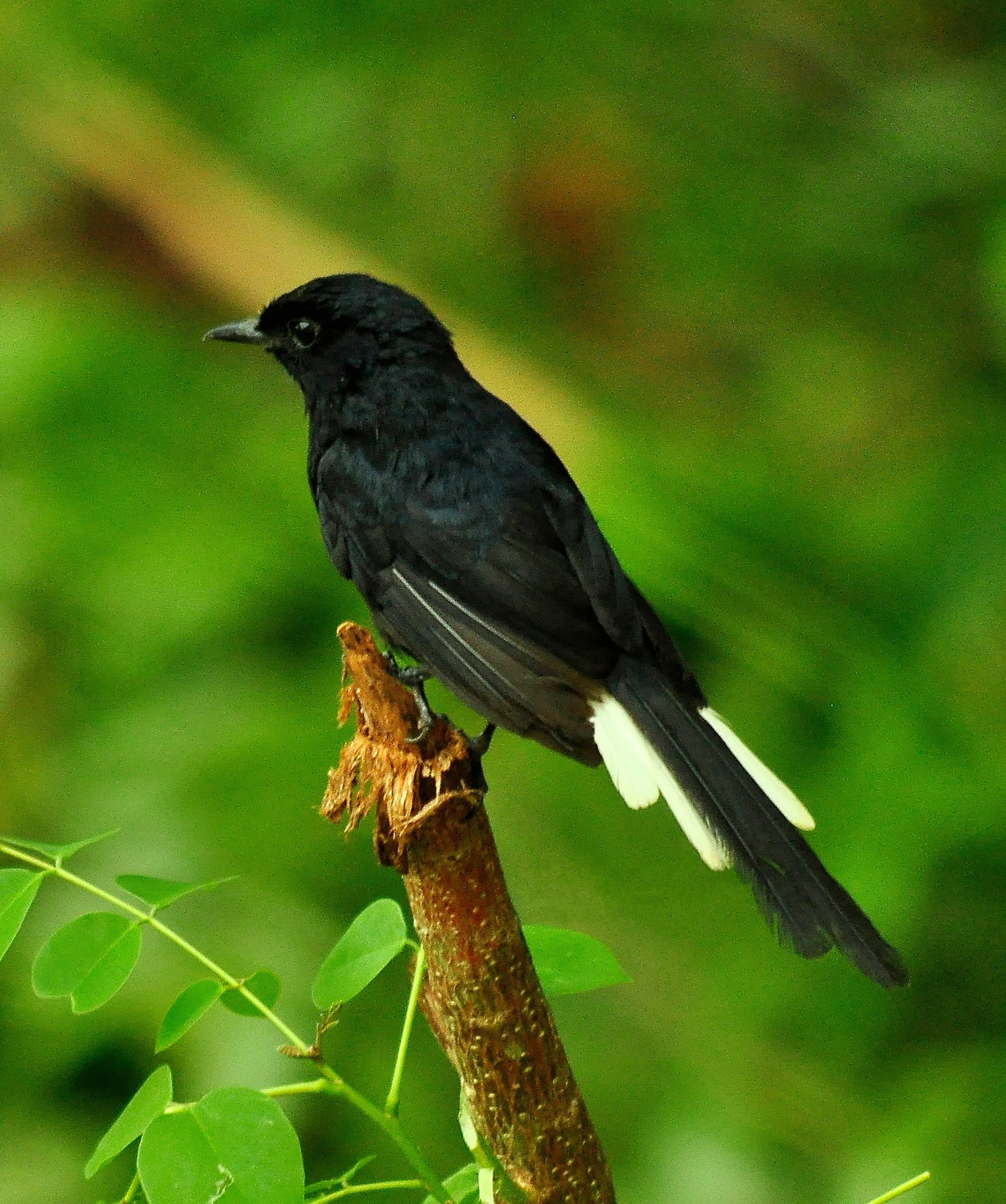
Black Shama
Copsychus cebuensis
All-black shama with a long tail, closely related to the White-vented Shama; restricted to Cebu's remnant forest.
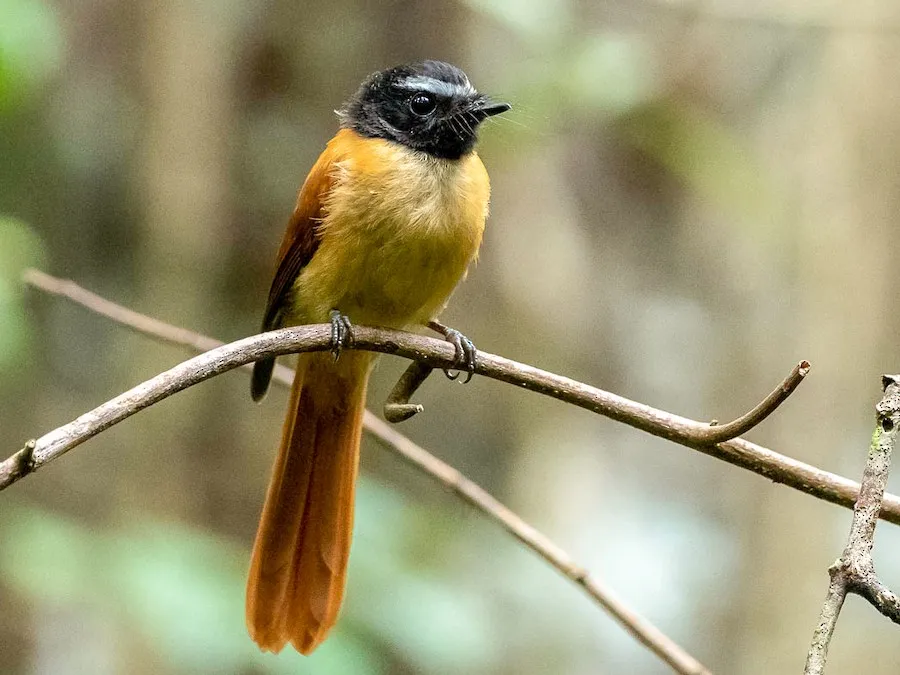
Black-and-cinnamon Fantail
Rhipidura nigrocinnamomea
Fantail with a black head and breast contrasting with a cinnamon body; restricted to Mindanao's mountains.
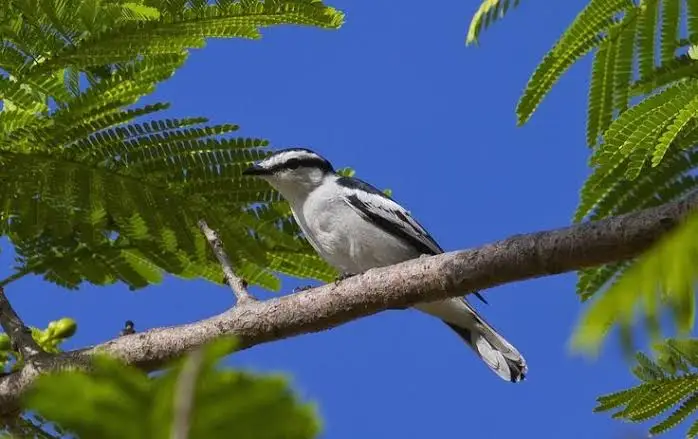
Black-and-white Triller
Lalage melanoleuca
Striking black-and-white bird, often seen in pairs at forest edge or in scattered trees.
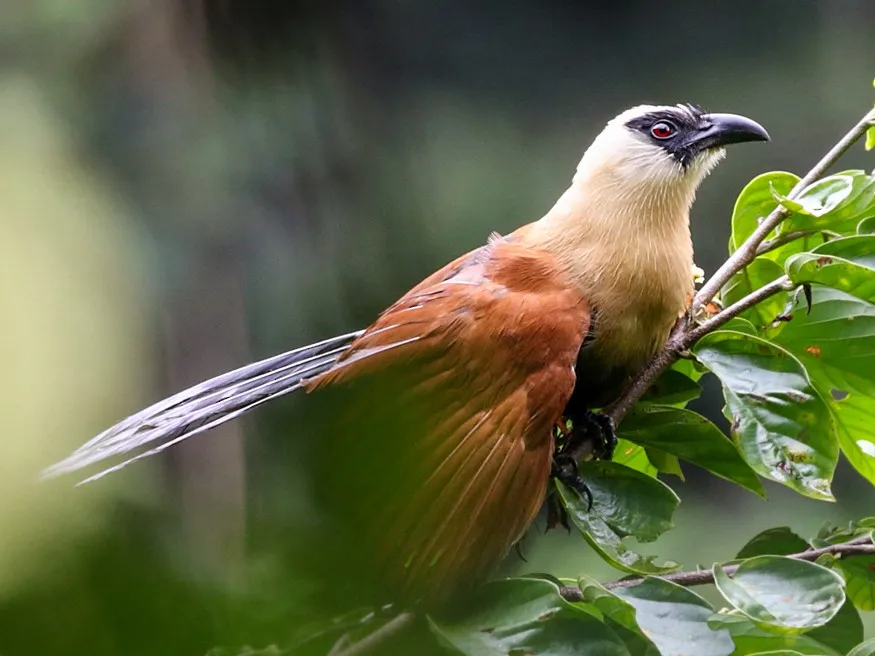
Black-faced Coucal
Centropus melanops
Large ground-dwelling cuckoo with a black head and underparts contrasting with chestnut wings; skulks in dense undergrowth.
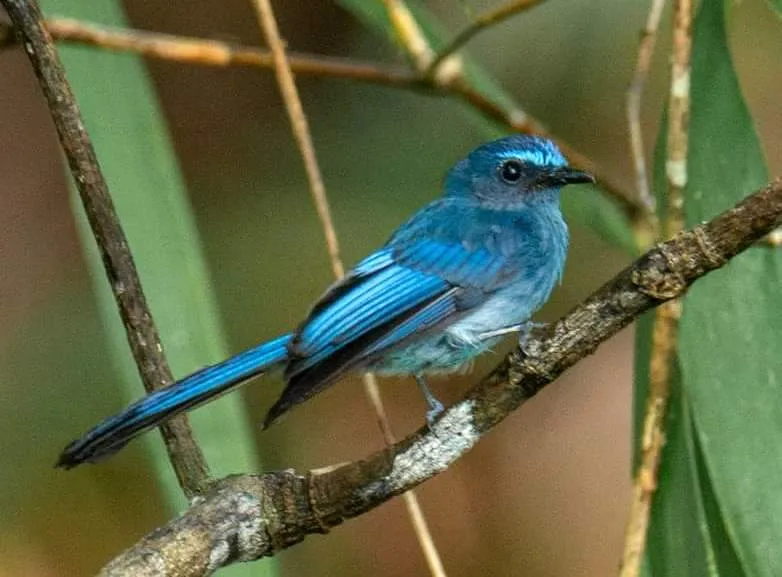
Blue Fantail
Rhipidura superciliaris
Fantail with blue-grey upperparts and a whitish brow; active, tail-fanning canopy bird.
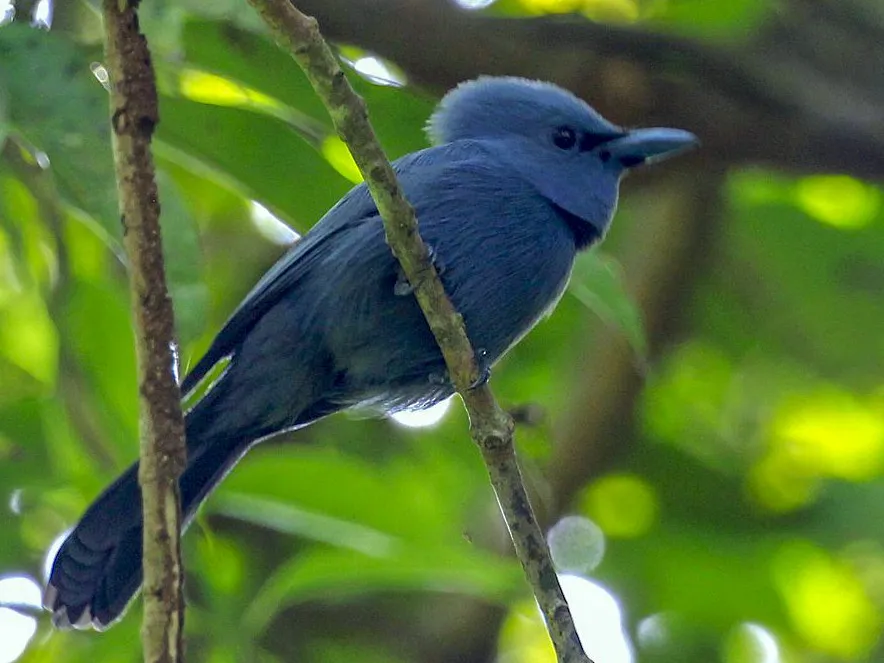
Blue Paradise-Flycatcher
Terpsiphone cyanescens
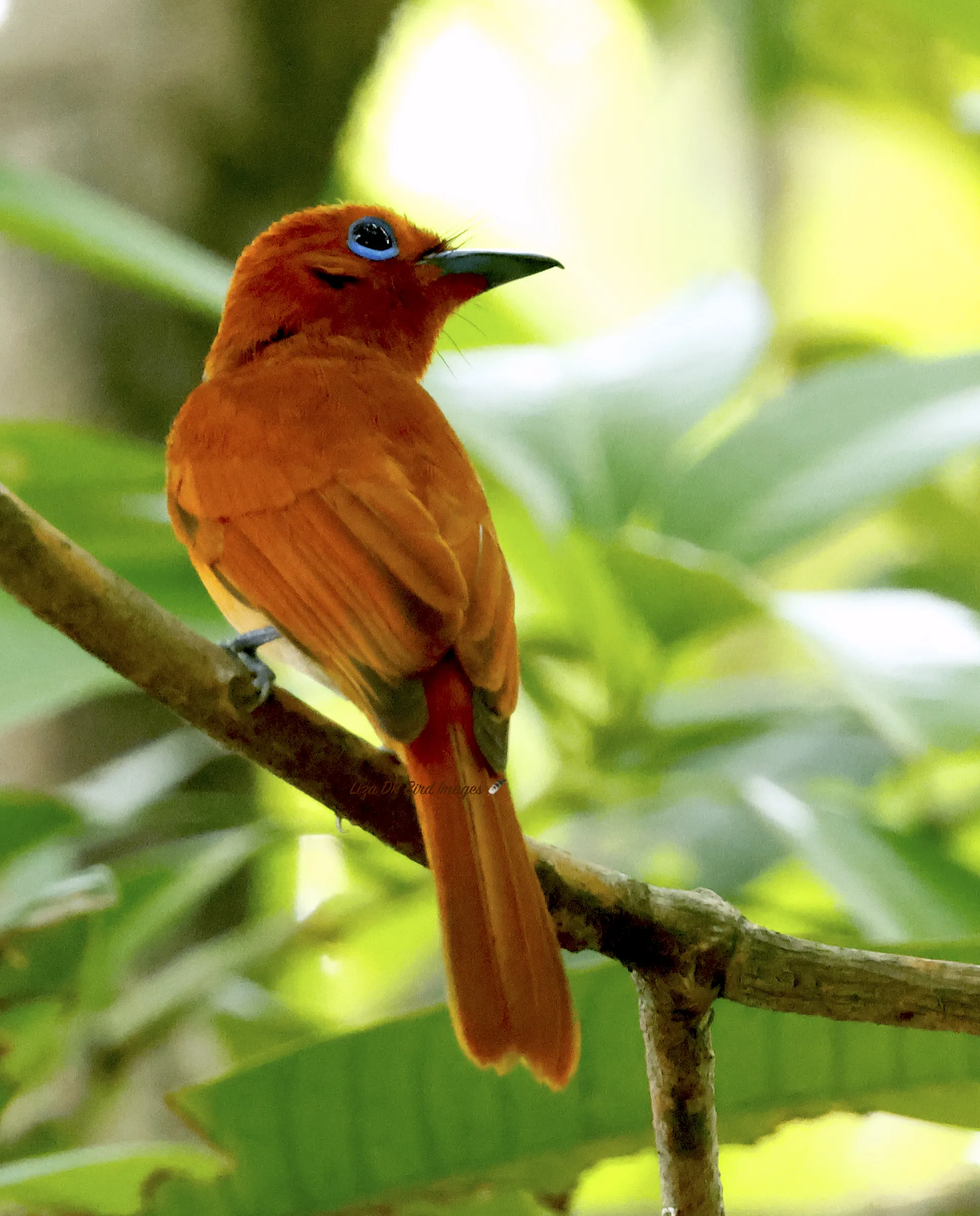
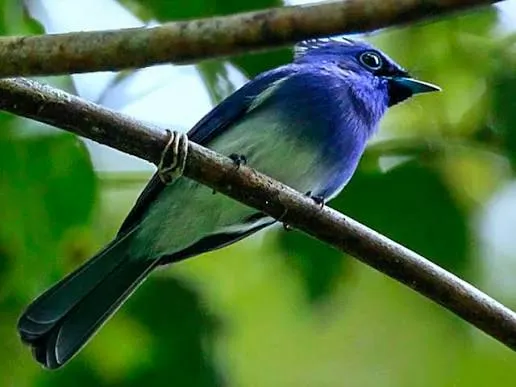
Glossy blue-black flycatcher with a blue eye-ring; males trail long tail streamers.
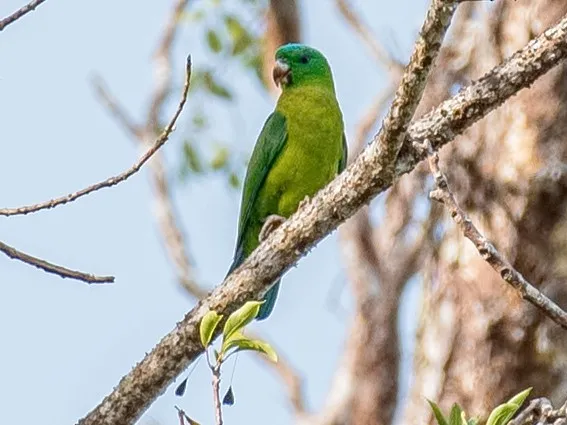
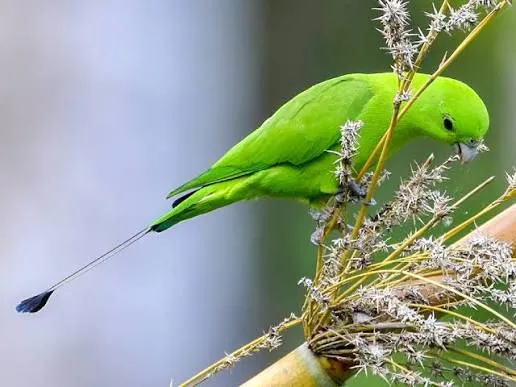
Blue-crowned Racquet-tail
Prioniturus discurus
Green parrot with a blue crown patch and elongated, spatula-tipped central tail feathers.
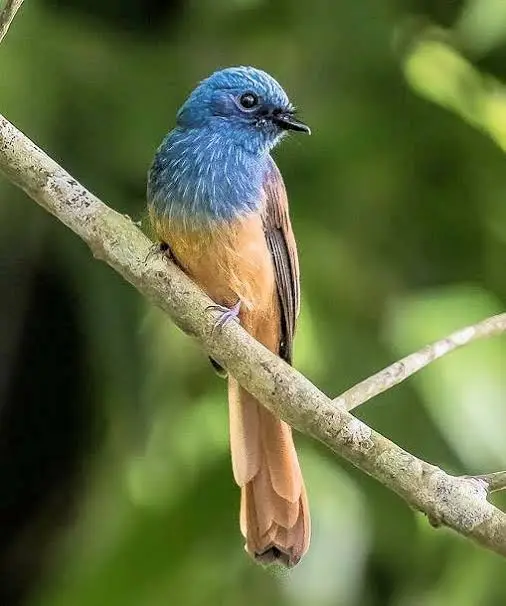
Blue-headed Fantail
Rhipidura cyaniceps
Fantail with a blue-grey head and rufous-brown body; constantly fans and flicks its tail.
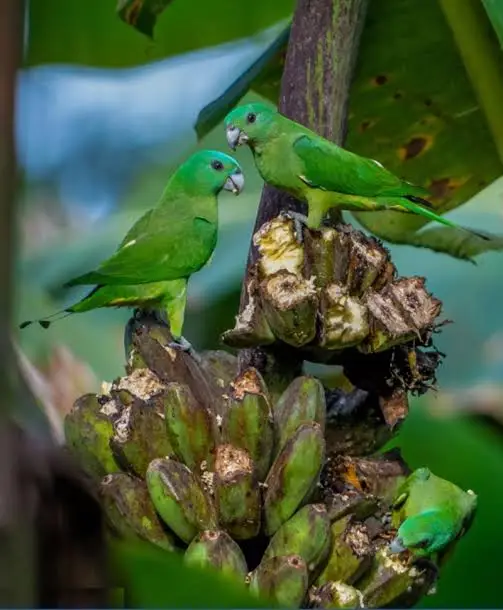
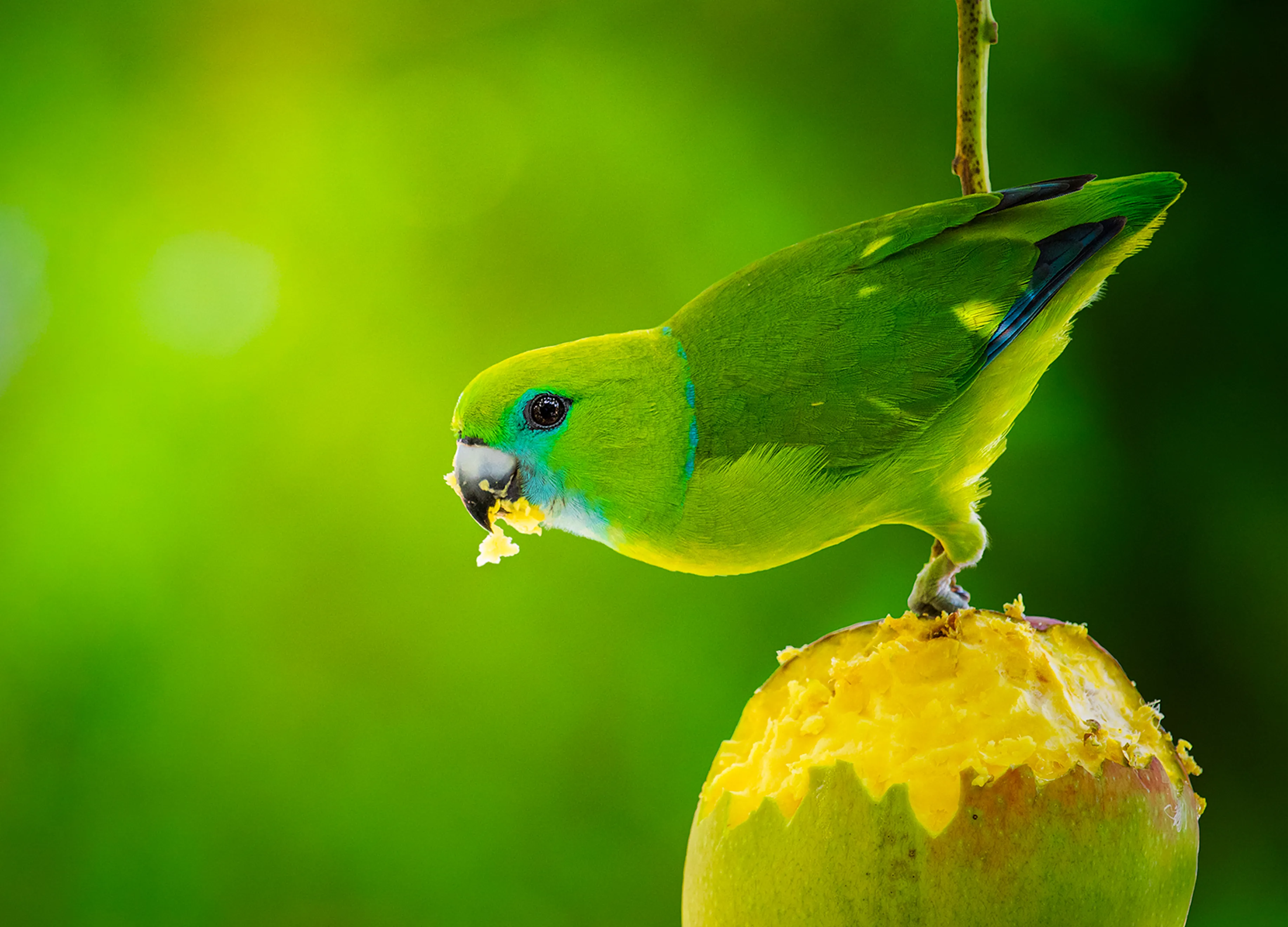
Blue-headed Racquet-tail
Prioniturus platenae
Green parrot with a pale blue head and racquet tail; found only on Palawan.
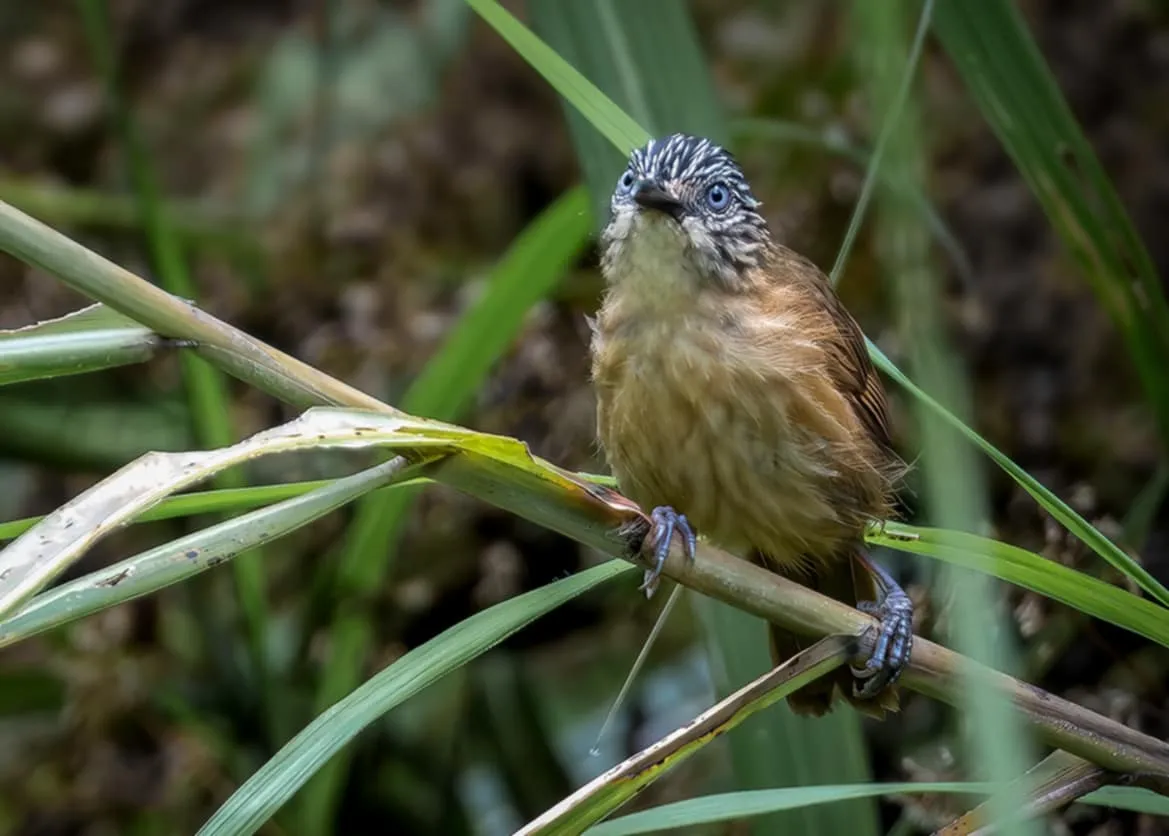
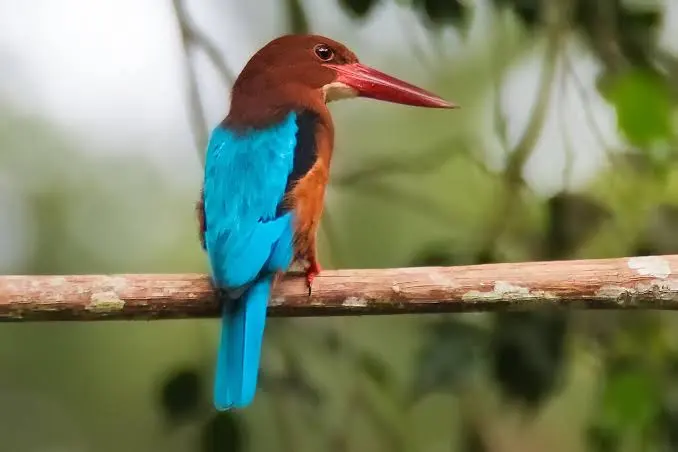
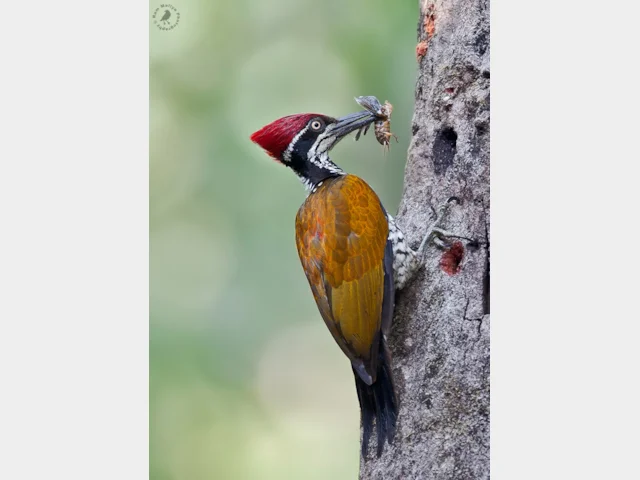
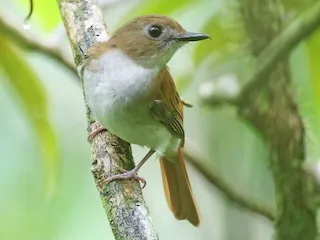
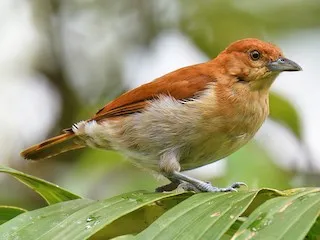
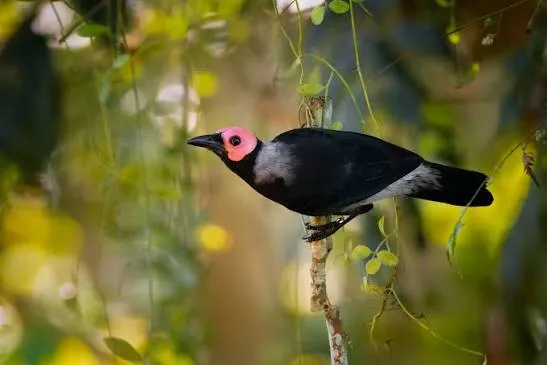
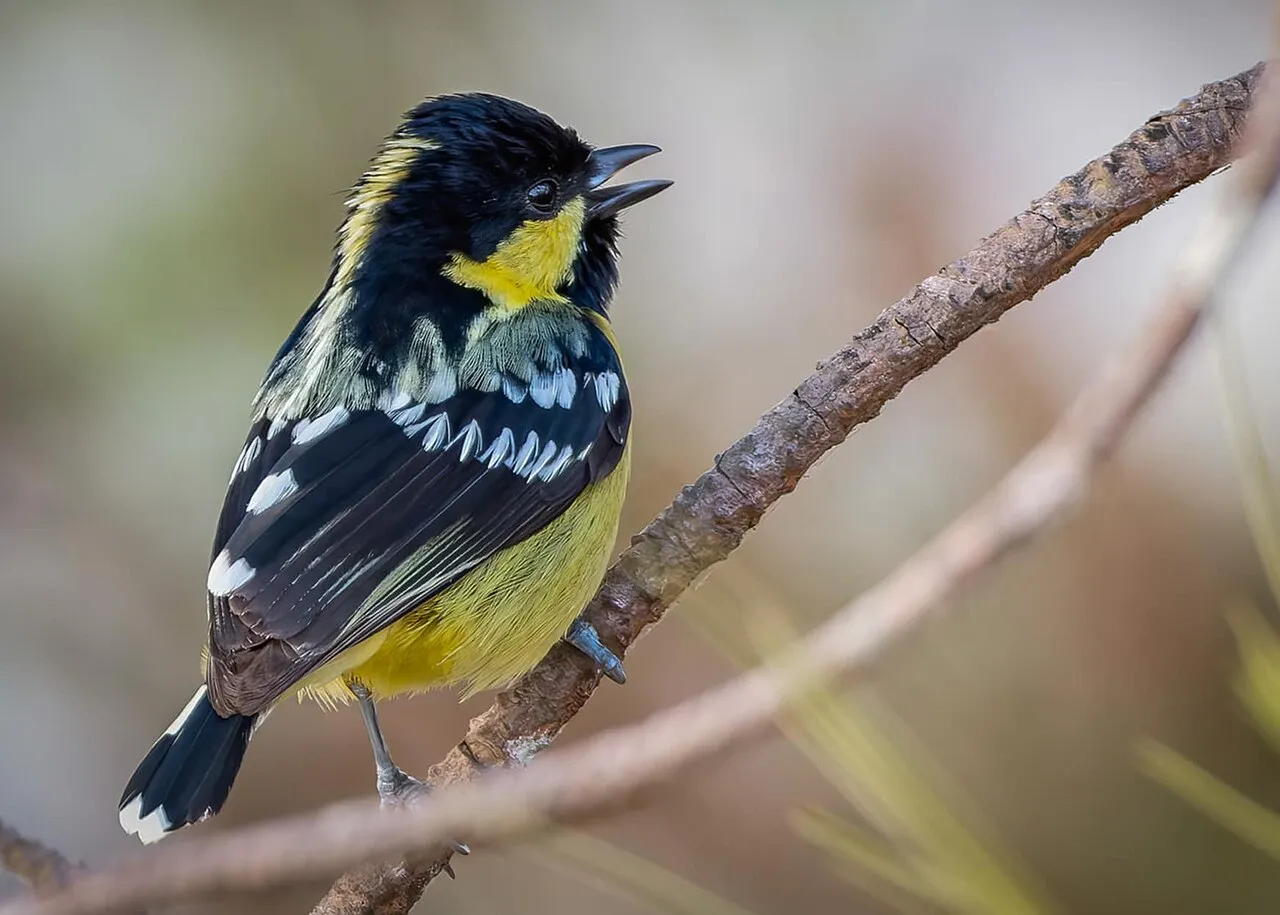
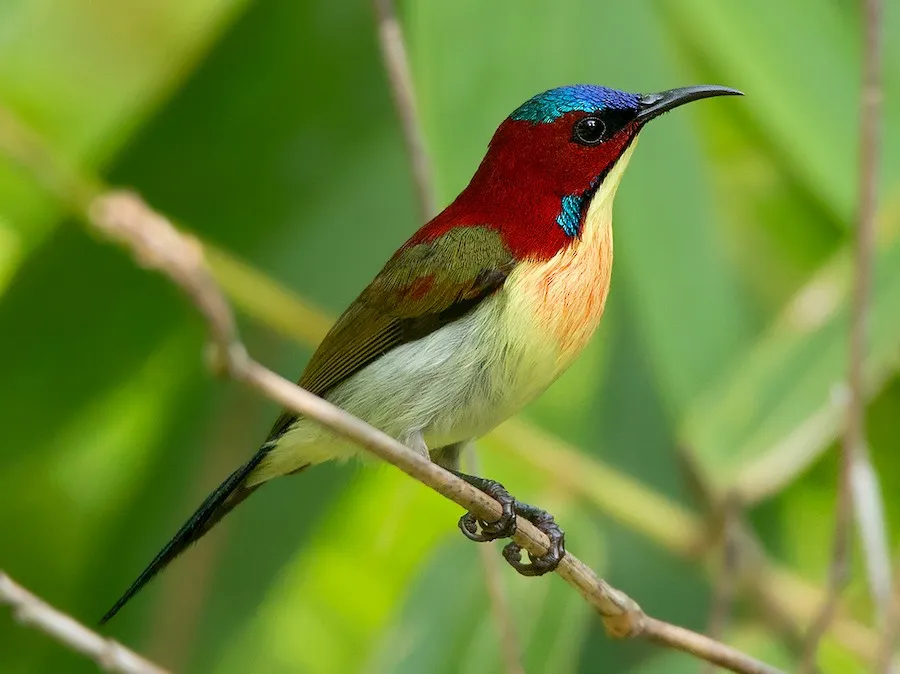
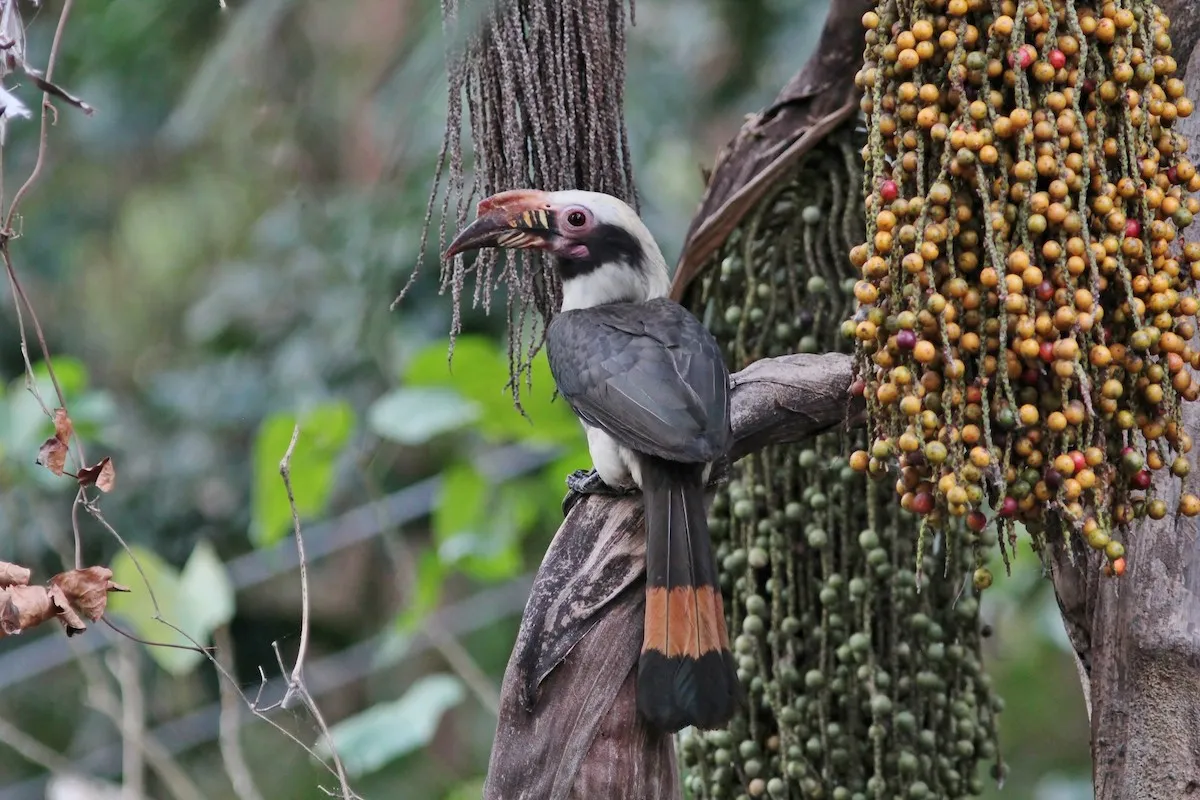
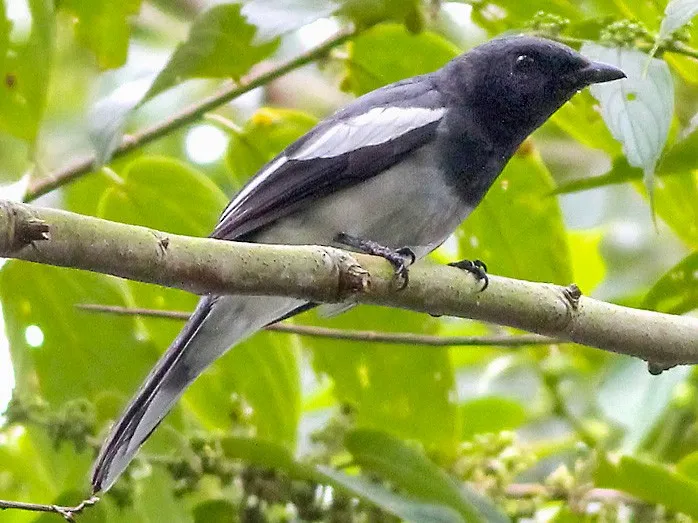
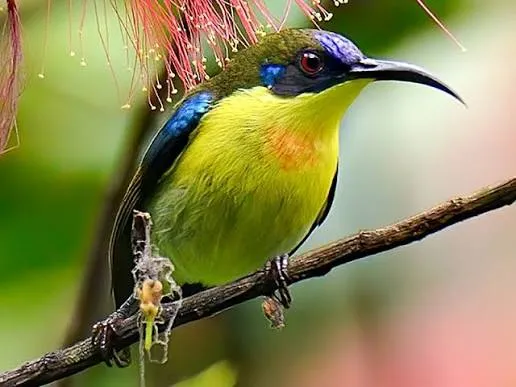

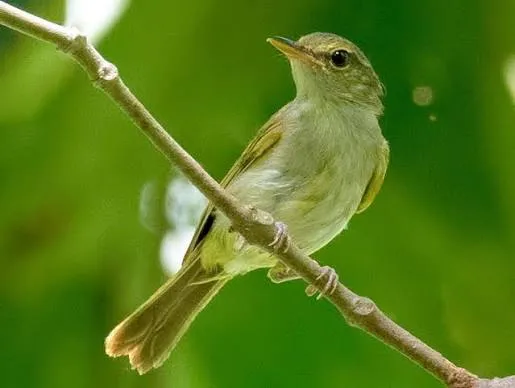
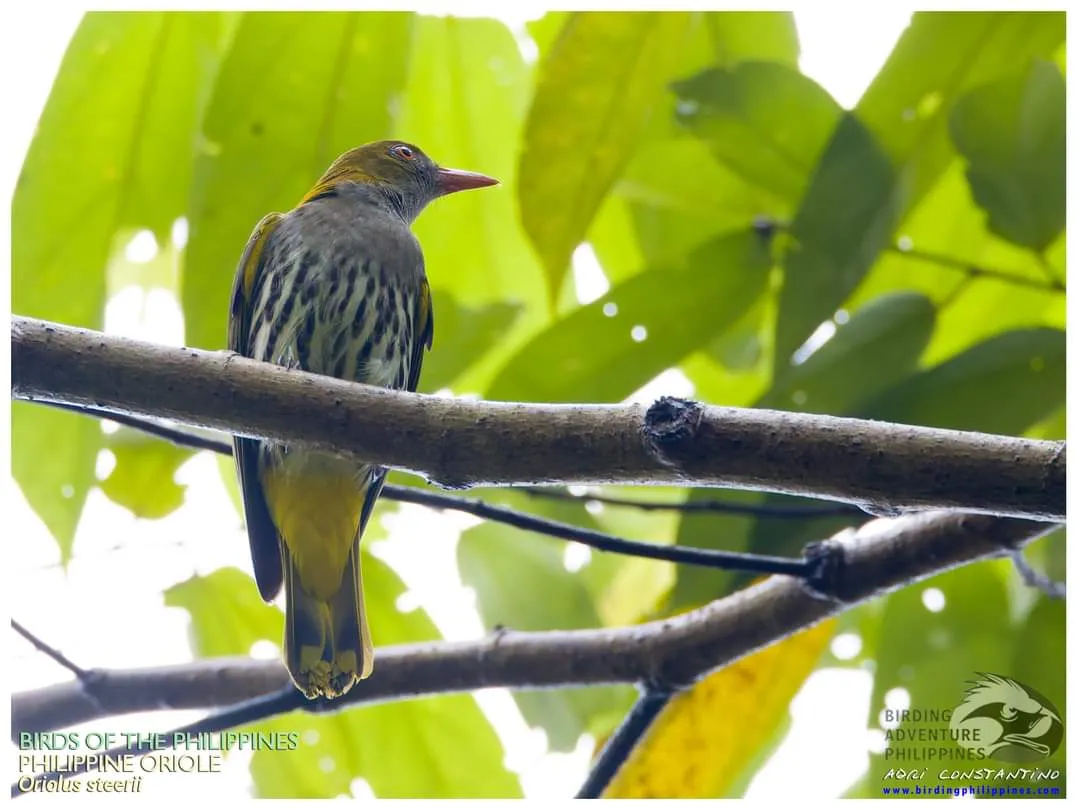
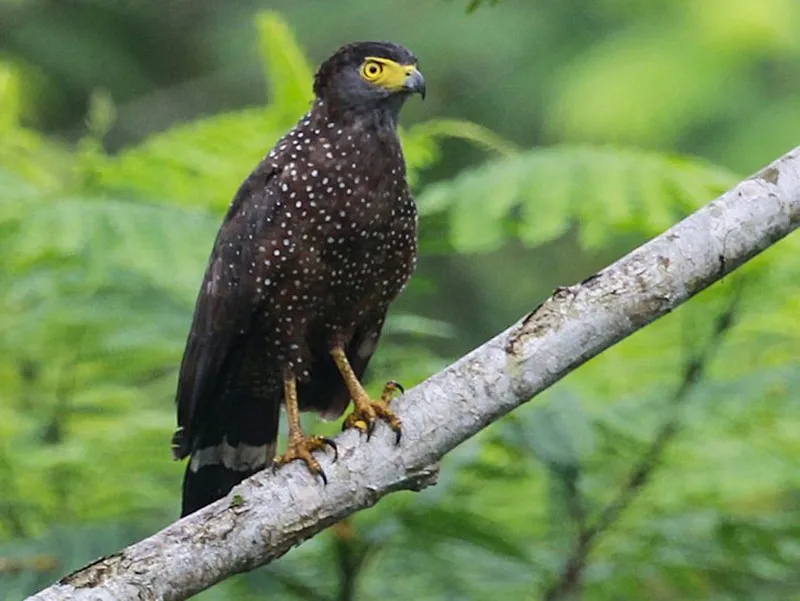
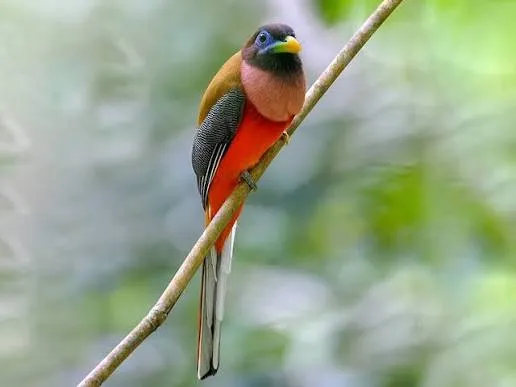

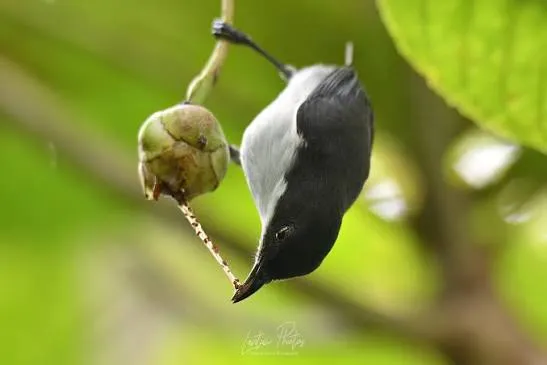
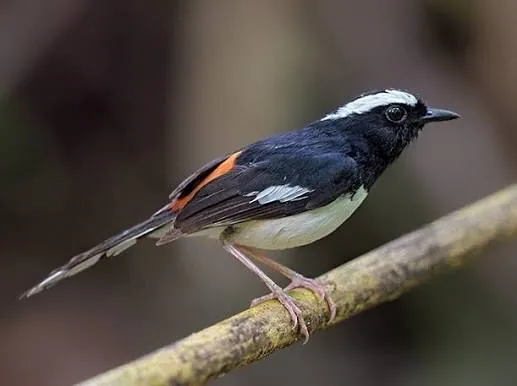
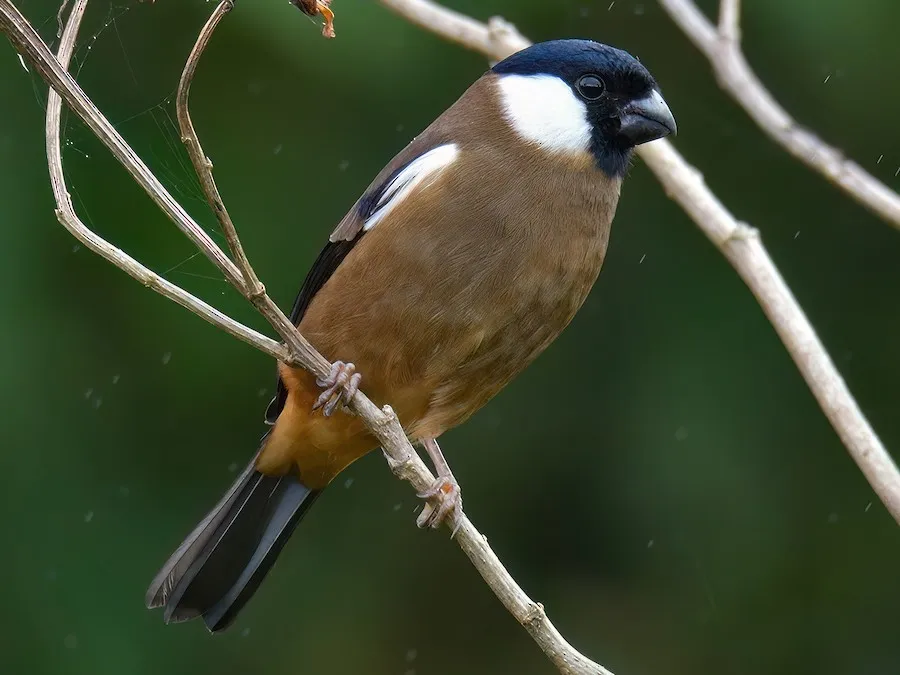
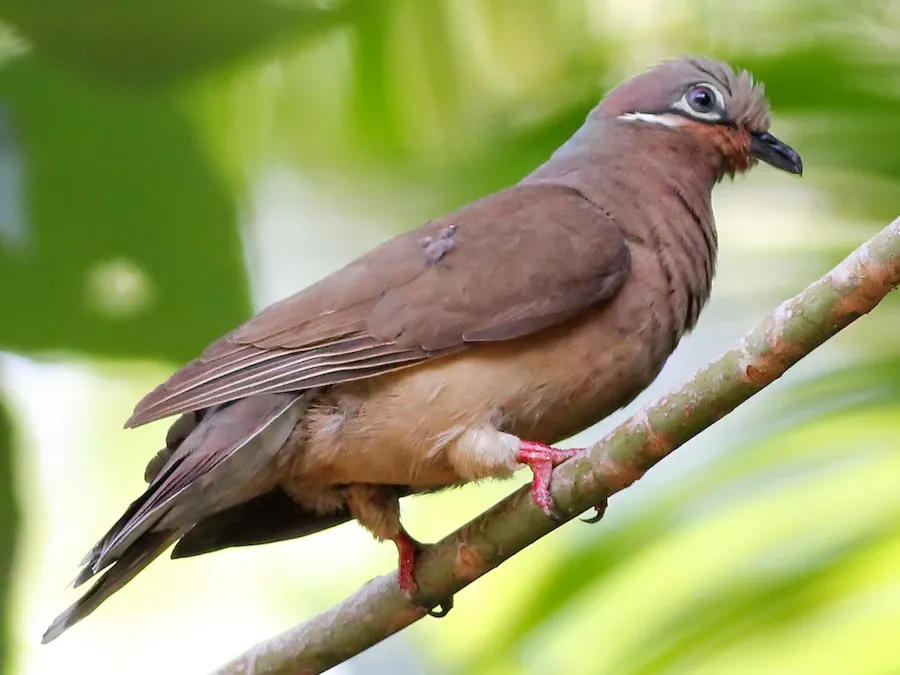
Descriptions and ranges are written independently for azifind.com from general field-guide knowledge. IUCN Red List categories are reassessed periodically, so confirm the current official rating for any individual species against the IUCN Red List directly when accuracy matters.
How to Read a Bird's Conservation Status
IUCN Red List · Five Categories in Use Here
Each species carries its IUCN Red List category, which tells you at a glance how much trouble a bird is in. The scale runs from Least Concern for species currently considered stable, through Near Threatened and Vulnerable for species facing rising or moderate risk, up to Endangered and Critically Endangered for those at serious and immediate risk of extinction.
Most Philippine endemics are still classified as Least Concern, but the ones that are not tend to be concentrated among large forest birds, lowland specialists, and single-island species with small ranges. Categories are reassessed periodically, so the official rating for any given species is best confirmed against the IUCN Red List directly.
This shows the five categories that appear among the endemics on this page. The full IUCN Red List also includes Extinct in the Wild and Extinct, plus Data Deficient for species with too little information to assess.
Where to See Endemic Birds in the Philippines
Subic Bay, Palawan, Rajah Sikatuna National Park
Endemic residents can generally be seen year-round, since they do not migrate. That makes the Philippines a rewarding birdwatching destination in any season, with the bonus that migratory birds passing through on the East Asian-Australasian Flyway, one of the world's major migratory routes, add to the mix during the northern hemisphere winter.
Subic Bay
A former U.S. naval base turned forest reserve in Central Luzon. Its mix of secondary forest and coastal habitat draws resident lowland species alongside migrants moving through on the flyway, and its accessibility makes it a popular first stop.
Palawan Island
Palawan rewards travelers willing to go farther, offering that distinct Bornean-flavored set of endemics found nowhere else in the country, several of them restricted entirely to the island.
Rajah Sikatuna National Park
Located in Bohol, this protected forest is one of the more accessible sites for Visayan endemics, with trails cutting through lowland and mid-elevation forest. As with any site, the species mix shifts with habitat and elevation, so the birds on a coastal trail differ from those in the mid-story of a mountain forest.
Frequently Asked Questions
How many bird species are endemic to the Philippines?
Of the 743 bird species recorded in the country, 229 are endemic, meaning they occur naturally nowhere else on Earth. This article profiles 77 of them in depth.
What is the national bird of the Philippines?
The Great Philippine Eagle. It is one of the world's largest eagles, is Critically Endangered, and survives mainly on Luzon, Samar, Leyte, and Mindanao.
Why does the Philippines have so many endemic birds?
Its more than 7,600 islands isolate bird populations over long stretches of time, allowing them to evolve into distinct species and giving the country one of the highest rates of bird endemism relative to land area anywhere in the world.
Which Philippine birds are most at risk of extinction?
Species with a Critically Endangered or Endangered listing face the most immediate risk, driven largely by lowland forest loss. The Great Philippine Eagle and the Philippine Hawk-Eagle are the clearest examples among the endemics.
Which Philippine bird has the smallest range?
Several endemics are confined to a single island. The Black Shama survives only in the remnant forest of Cebu, while species like the Blue-headed Racquet-tail and Palawan Flowerpecker are restricted entirely to Palawan.
Does the Philippines have any endemic bird families?
Yes. The rhabdornis, or Philippine creepers, are a bark-foraging lineage found nowhere else on Earth, represented here by the Stripe-breasted and Stripe-sided Rhabdornis.
Where is the best place to see endemic birds in the Philippines?
Subic Bay on Luzon, Palawan Island, and Rajah Sikatuna National Park in Bohol are among the best-known destinations, each supporting a different mix of species by habitat and elevation.
Is the Philippines a good destination for birdwatching year-round?
Yes. Endemic species can generally be seen year-round since they are residents, while migratory species passing through the East Asian-Australasian Flyway are typically easiest to spot during the northern hemisphere winter.
Sources & Citations
- Wikipedia. "List of birds of the Philippines." National species totals: 743 recorded species, 229 endemic, and 5 introduced, itself sourced from the IOC World Bird List, Avibase, and the Clements Birds of the World checklist. en.wikipedia.org/wiki/List_of_birds_of_the_Philippines
- iNaturalist. "Birds of Phillipines" field guide (guide 546). Species list, based on birdwatching observations recorded September 26 to November 3, 2013. inaturalist.org/guides/546
- HBW / BirdLife Taxonomic Checklist, version 9.0 (October 2024 update). Endemic status cross-check, via the BirdLife Data Zone. datazone.birdlife.org/species/taxonomy
- IUCN Red List. Conservation status categories, general reference as of compilation. Status is reassessed periodically. Check the Red List directly for the current official rating of any individual species. iucnredlist.org
- Descriptions, habitat, and range for each species written independently for azifind.com based on general field-guide knowledge of appearance, behavior, and distribution.
This article is a general reference, not a substitute for a field identification guide or the official IUCN Red List when accuracy is critical for research or conservation planning. Endemic status and conservation categories can change with taxonomic revisions and reassessments, so confirm current status against the primary sources above before relying on it.